 Menu
Search
€27.07
Regular price:
€30.73
€41.95
Regular price:
€45.61
€59.02
Regular price:
€62.68

€90.00
Regular price:
€93.66
€38.54
Regular price:
€42.20
€40.24
Regular price:
€42.68

€27.80
Regular price:
€30.24

€27.80
Regular price:
€30.24

€24.88
Regular price:
€27.32

€29.76
Regular price:
€33.41
€32.20
Regular price:
€35.85

€65.85
Regular price:
€69.51

€90.00
Regular price:
€93.66
Producers
Login
Languages


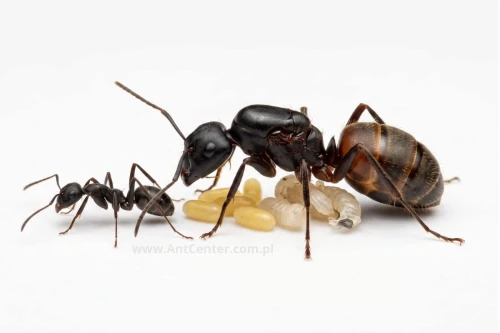
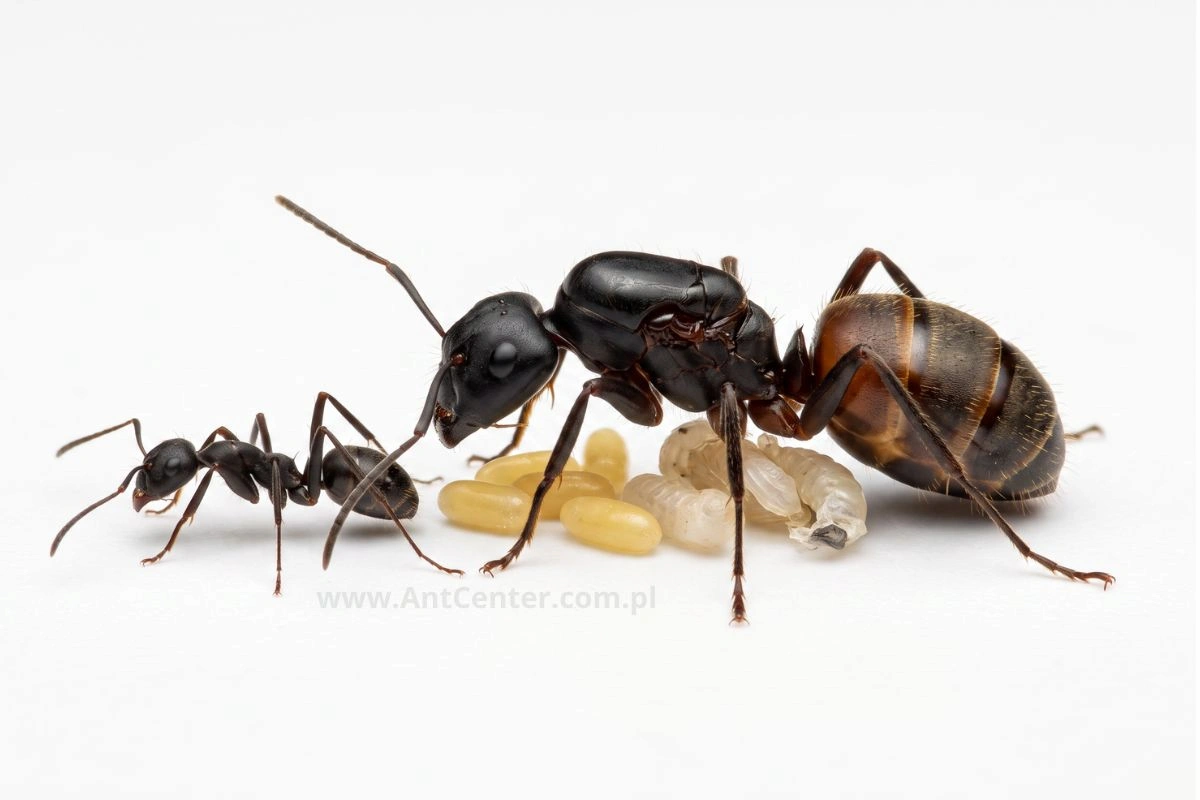
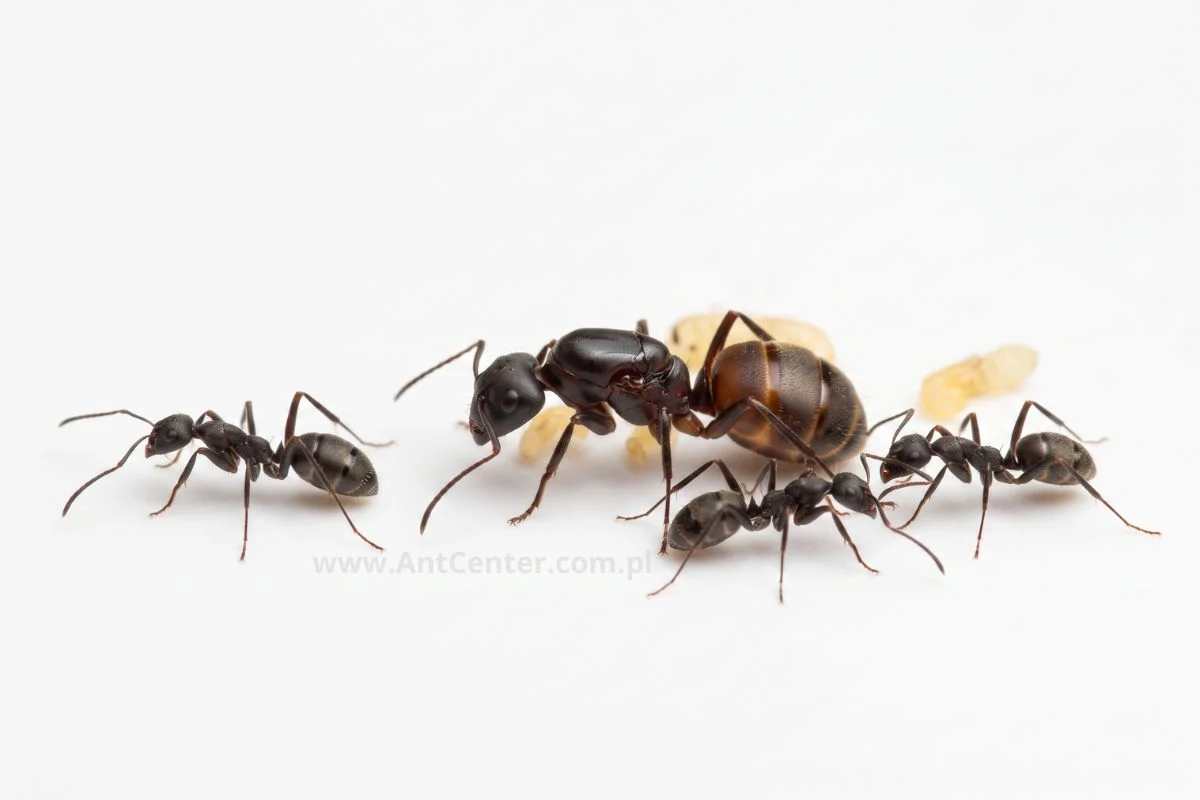
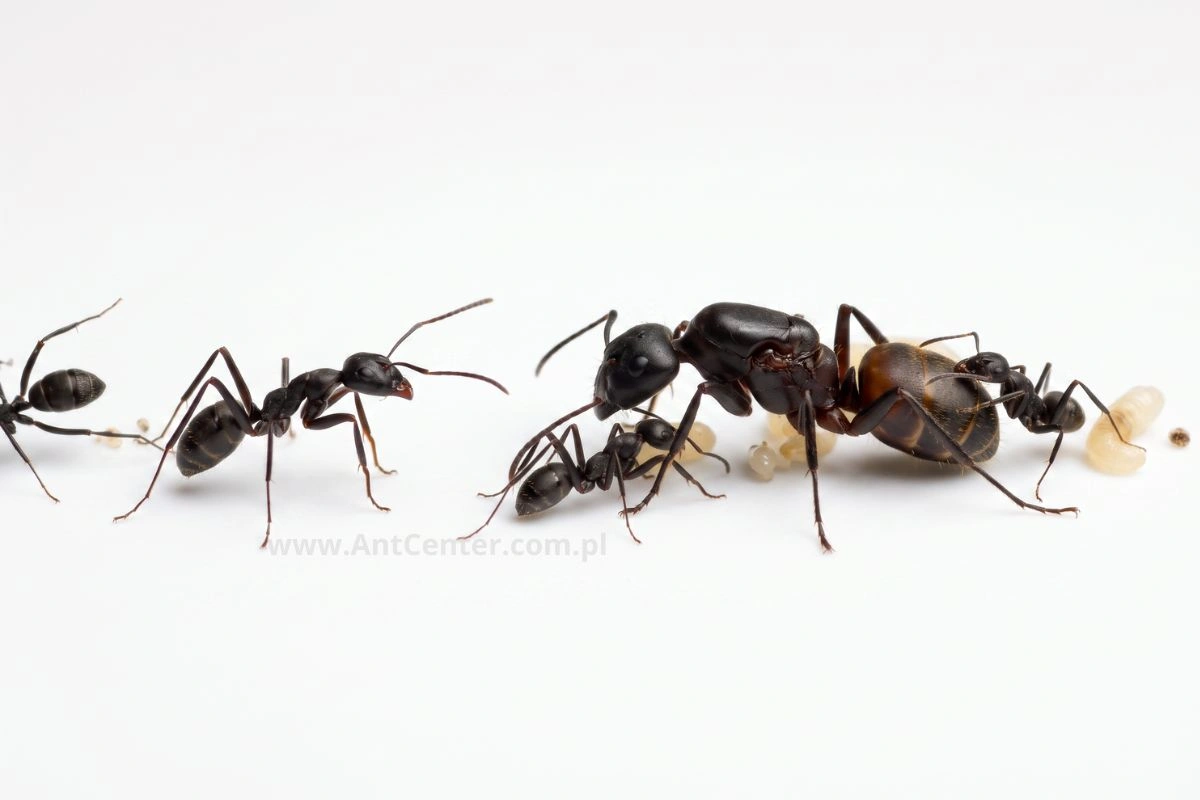
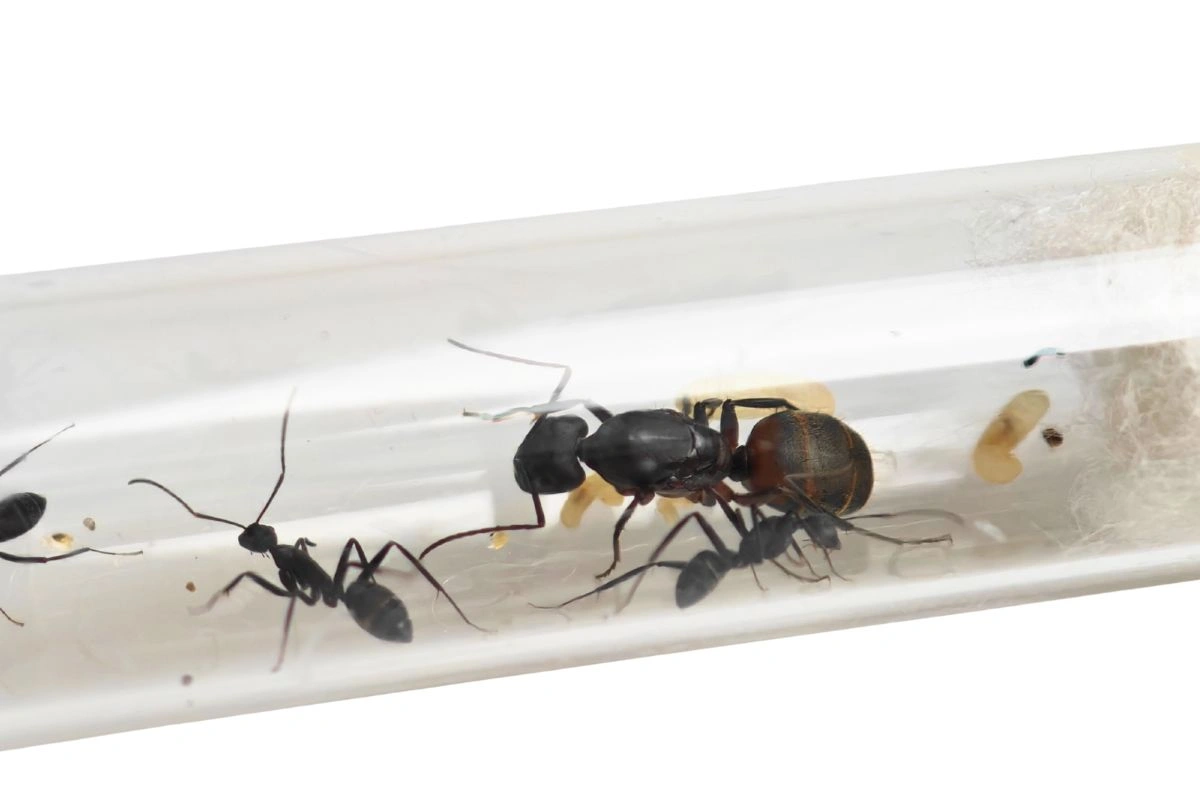
Camponotus cruentatus
Regular price:
product unavailable
add to wish list
5
Description
Camponotus cruentatus – a large ant species from Southern Europe
Camponotus cruentatus is a large ant species native to Southern Europe. It stands out for its contrasting coloration and workers of noticeably different sizes. This is an interesting species to observe, but its care requirements make it a better choice for ant keepers with some experience.
Species at a glance
Species: Camponotus cruentatus Size: queen 14–16 mm; workers 4–14 mm Colouration: the queen is black and honey-coloured; workers are black Distribution: Southern Europe Wild diet: insects and honeydew Diet in captivity: feeder insects, honey or honey water Hibernation: yes; from December to February at around 15°C Temperature: 25–30°C Difficulty: challenging; recommended for more experienced ant keepers Nesting: sunny, dry areas; soil, sand and rotten wood Recommended formicarium: a cork formicarium or the LUBI formicarium — not included in this offer.
Appearance and behaviour
Camponotus cruentatus is one of the largest ant species found in Europe. Workers vary in size, so you can observe distinct differences between smaller and larger individuals within the colony.
These ants move quickly and may defend their nest when disturbed. They use their strong mandibles and formic acid for defence. Avoid sudden movements, vibrations and frequent exposure of the nest while caring for the colony.
Keeping conditions
This species needs stable conditions. Place the nest in a warm location and monitor the temperature to prevent overheating. Choose a nest that suits the colony’s current size and allows room for future growth.
In the wild, Camponotus cruentatus nests in sunny, dry places, including soil, sand and rotten wood. In captivity, you can use a suitable cork formicarium or a LUBI formicarium. An outworld is also useful for feeding and observing the colony.
Feeding
The colony needs both protein and carbohydrates. Offer feeder insects such as mealworms or crickets as a protein source. Honey or honey water can provide carbohydrates. Remove uneaten insect remains to help prevent mould and mites.
Hibernation
Camponotus cruentatus requires a winter resting period. According to the information for this product, hibernation takes place from December to February at around 15°C. Lower and raise the temperature gradually. Make sure the colony has access to water and check on it regularly during this period.
Is Camponotus cruentatus suitable for beginners?
This is a challenging species, so we recommend it for keepers who already have experience and can provide suitable conditions, including a winter resting period.
Frequently asked questions
How large is a Camponotus cruentatus queen? The queen grows to around 14–16 mm in length.
What do Camponotus cruentatus ants eat? In captivity, offer feeder insects as a protein source and honey or honey water as a carbohydrate source.
Does Camponotus cruentatus need hibernation? Yes. The product information specifies a winter resting period from December to February at around 15°C.
Which formicarium should I choose for Camponotus cruentatus? A cork formicarium or a LUBI formicarium can be used. Choose a nest size suited to the colony’s stage of development.
Can these ants be released into the wild in Poland? No. Camponotus cruentatus is not native to Poland and must not be released into the natural environment. If you can no longer care for the colony, contact AntCenter about transferring it.
Related products
Mealworm - 20ml

Set of food for ants

Modular Cork Nest for Ants – AntLove XS (7 × 4 cm)

Cork formicarium Compact II