 Menu
Search
€41.95
Regular price:
€45.61
€59.02
Regular price:
€62.68

€90.00
Regular price:
€93.66
€38.54
Regular price:
€42.20
€40.24
Regular price:
€42.68

€27.80
Regular price:
€30.24

€27.80
Regular price:
€30.24

€24.88
Regular price:
€27.32

€29.76
Regular price:
€33.41
€32.20
Regular price:
€35.85

€65.85
Regular price:
€69.51
€18.78
Regular price:
€22.44

€90.00
Regular price:
€93.66
Producers
Login
Languages


Camponotus aethiops
Regular price:
product unavailable
add to wish list
4
Description
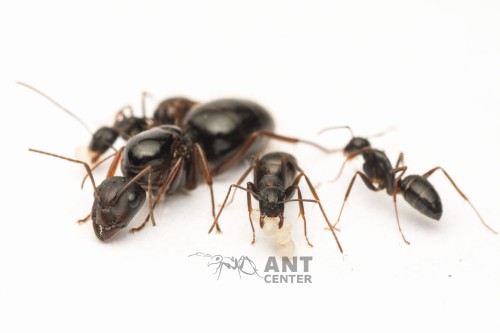
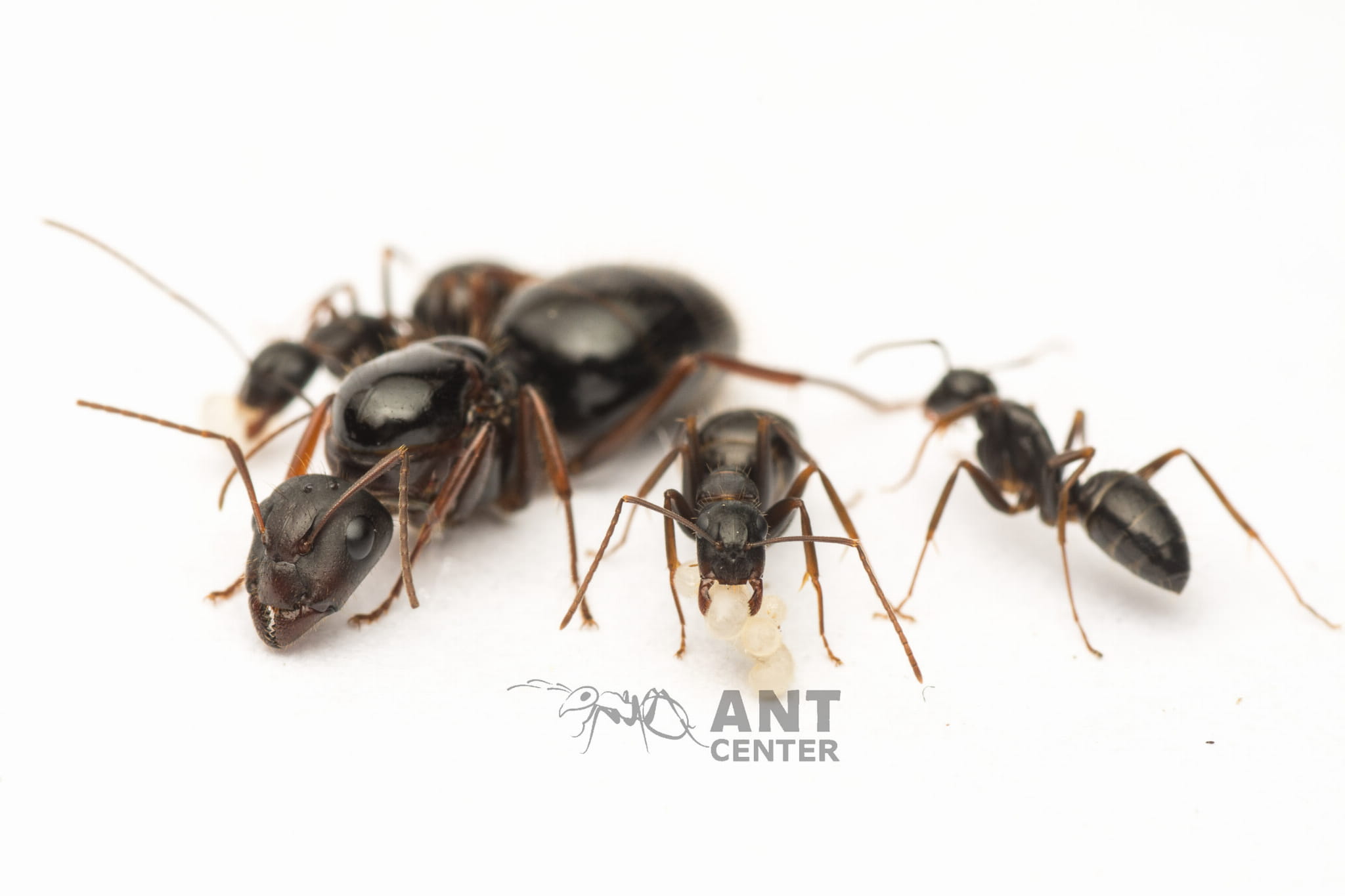
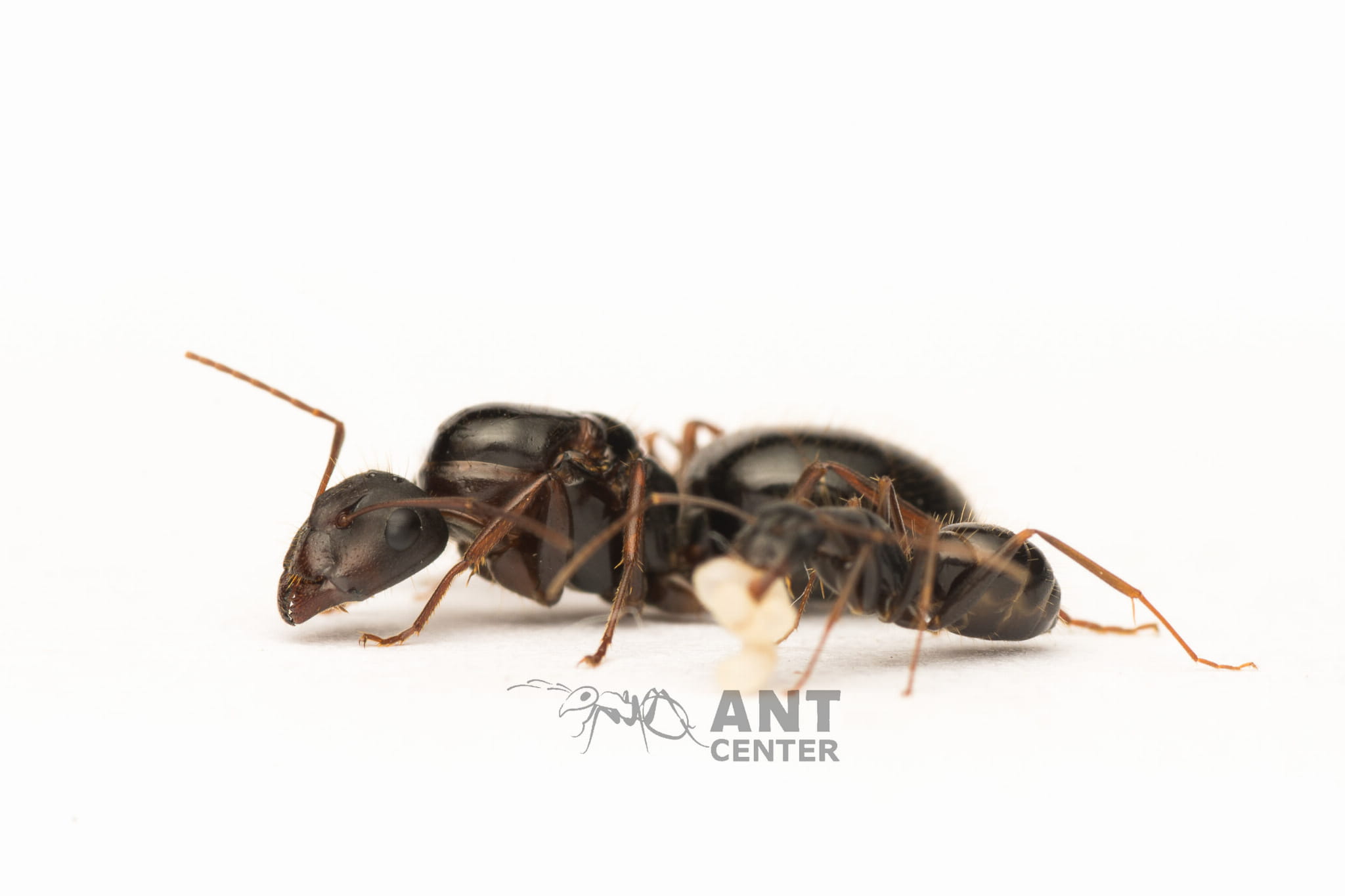
Camponotus aethiops – a glossy black carpenter ant with distinct worker castes
Camponotus aethiops is a Mediterranean ant species known for its glossy black colour and workers of different sizes. A young colony may develop slowly at first, while the differences between worker castes become more noticeable as it grows.
Species at a glance
Species: Camponotus aethiops Size: queen approximately 11–13 mm; workers approximately 5–11 mm Colour: black, often with a glossy sheen Distribution: Southern Europe, the Mediterranean region and areas extending towards the Caucasus Diet in the wild: small insects and honeydew Diet in captivity: carbohydrates, such as honey or sugar water, and feeder insects Hibernation: yes; a mild winter rest, usually at approximately 12–15°C for around three months Temperature during the active season: nest approximately 21–25°C; outworld approximately 18–28°C. A temperature gradient is recommended Difficulty: moderate to moderately challenging; the colony needs warmth, regular feeding and a winter rest Nesting: in soil, often beneath stones, in warm, dry grasslands and shrubland Worker castes: minor, media and major workers
What makes a Camponotus aethiops colony distinctive?
The workers vary in size, and different castes become more apparent as the colony grows. Larger workers have a more robust build and a proportionally larger head. This variation is one of the features you can observe as the colony develops.
How should you feed Camponotus aethiops?
The colony needs both carbohydrates and protein. Honey or sugar water can be offered as a carbohydrate source. Feeder insects, such as mealworms, crickets or flies, provide protein. Adjust portions to the colony’s size and brood, and remove uneaten food before it spoils.
How should you choose a nest?
Choose a nest suited to the colony’s current size, with enough room for its continued development. The setup should allow for localised watering and include reliable escape prevention.
Is Camponotus aethiops suitable for beginners?
This species is best suited to keepers prepared to provide regular care, suitable warmth and a mild winter rest. Its development may be slow at first, so patience is important. We rate its keeping difficulty as moderate to moderately challenging.
Important information
Do not release purchased ants or their offspring into the natural environment. If you can no longer keep the colony, contact AntCenter about transferring it.
Frequently asked questions
Does Camponotus aethiops need hibernation? Yes. This species needs a mild winter rest. Keeping guides generally recommend approximately 12–15°C for around three months.
What should you feed Camponotus aethiops? Offer a carbohydrate source, such as honey or sugar water, as well as protein in the form of feeder insects.
How should you choose a nest for this species? Choose a nest suited to the colony’s size and development. The setup should allow for localised watering and provide reliable escape prevention.
Is Camponotus aethiops suitable for beginners? It may suit a keeper prepared to provide warmth, regular feeding and a winter rest. Young colonies may develop slowly.
Related products
Mealworm - 20ml

Set of food for ants

Modular Cork Nest for Ants – AntLove XS (7 × 4 cm)