
 Search

€24.88
Regular price:
€27.32

€29.76
Regular price:
€33.41
€32.20
Regular price:
€35.85

€65.85
Regular price:
€69.51
€18.78
Regular price:
€22.44
€57.07
Regular price:
€60.73

€45.61
Regular price:
€49.27
€20.73
Regular price:
€23.17
€45.61
Regular price:
€49.27

€25.37
Regular price:
€29.02
€25.37
Regular price:
€29.02
€27.07
Regular price:
€30.73


€90.00
Regular price:
€93.66
Producers
Login
Languages


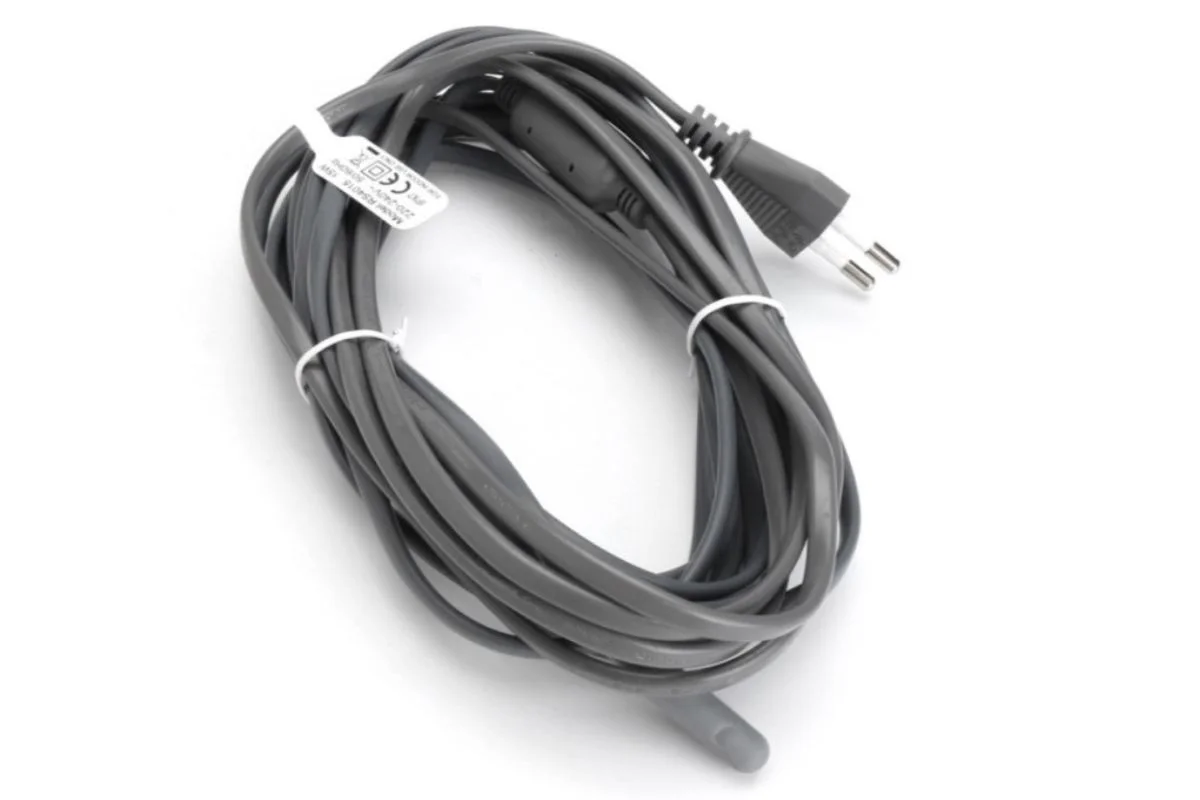
Heating cable 25 W ReptiZoo
Regular price:
product unavailable
add to wish list
0
Description
ReptiZoo 25 W heating cable – heating for formicariums and ant nests
The ReptiZoo 25 W heating cable is designed to provide additional warmth for formicariums and nests inhabited by heat-loving ant species. Its 5 m heated section makes it possible to distribute heat along a larger formicarium or several small nests placed next to one another.
The cable should be placed outside the formicarium, next to a selected part of the nest. This creates a temperature gradient, allowing the ants to move the queen and brood between warmer and cooler areas according to the colony’s needs.
Ant-keeping tip: Do not heat the entire nest. The cable should warm only part of it so that the colony always has access to a cooler area.
What can the 25 W heating cable be used for?
The cable can be used to provide additional warmth for:
- larger formicariums with a separate nesting area,
- cork, plaster and other types of nests, provided their construction allows safe external heating,
- test tubes containing queens or small colonies, provided the cable is positioned carefully and the temperature is constantly monitored,
- several small nests placed along the cable, provided the temperature of each nest is properly controlled.
The 25 W version has a 5 m heated section, making it particularly useful for a larger formicarium or a more extensive ant-keeping setup. It is especially suitable for exotic ant species that require temperatures above normal room temperature during their active period.
Why is a temperature gradient important?
Under natural conditions, the temperature is not the same throughout the entire nest. Worker ants select chambers with different conditions and move the queen and brood between them according to the colony’s needs.
Heating only part of the formicarium helps recreate similar conditions in captivity. The ants can choose between a warmer and a cooler area, while the keeper avoids exposing the entire colony to the same elevated temperature.
A properly selected temperature can support colony activity and brood development. However, it should always be adjusted to the requirements of the particular ant species.
How should the heating cable be used safely?
- Connect the cable to a thermostat to control the temperature and reduce the risk of overheating the nest.
- Monitor the temperature with a thermometer positioned next to the heated area.
- Place the cable only outside the formicarium and beyond the ants’ reach.
- Heat only part of the nest, leaving a cooler area available to the colony.
- Do not cross, tightly coil or overlap the heated sections of the cable.
- Do not cut or shorten the cable.
- Protect the cable, plug and electrical connections from water, moisture and damage.
- Do not cover the cable with any material that could restrict heat dissipation.
- Before use, make sure that the material and construction of the formicarium allow heating in the selected location.
Important: The heating cable does not regulate the temperature automatically. A power rating of 25 W does not correspond to a specific temperature inside the nest. The resulting temperature depends on factors such as cable placement, room temperature, ventilation and the material of the formicarium.
ReptiZoo 25 W heating cable – technical specifications
| Power | 25 W |
| Total cable length | 6.5 m |
| Length of heated section | 5 m |
| Power cable length | 1.5 m |
| Brand | ReptiZoo |
Frequently asked questions
Is the 25 W heating cable suitable for a formicarium?
Yes. The cable can be used to heat a selected part of the nest externally, provided its placement is suitable for the material and construction of the formicarium.
What is the difference between the 25 W and 15 W heating cables?
The 25 W cable has a higher power rating and a longer heated section. The 25 W version provides 5 m of heating cable, while the 15 W version provides 4 m. This makes it easier to distribute heat along a larger formicarium or several small nests.
Can the cable be used to heat the entire ant nest?
This is not recommended. Part of the nest should remain cooler so that the ants can choose an area with a suitable temperature.
Does the heating cable require a thermostat?
We recommend connecting the cable to a thermostat. This makes it possible to control the temperature and reduces the risk of overheating the nest and colony.
Can the cable be used to heat a test tube containing ants?
Yes, but the cable should heat only part of the test tube. The temperature must be carefully monitored because a small space may heat up faster than a larger nest.
Can the cable be placed inside the formicarium?
No. The cable must remain outside the area accessible to the ants and away from water and damp substrate.
Can the cable be shortened or overlapped?
No. The cable must not be cut, shortened or crossed, and its heated sections must never be placed on top of one another.
Safety
Related products
Digital hygrometer without probe

€3.66
Regular price:
€6.10
Digital hygrometer with suction cups- green frame

