

 Menu
Search
Menu
Search

€29.02
Regular price:
€31.46

€88.78
Regular price:
€93.66
€4.15
Regular price:
€4.39
€30.98
Regular price:
€35.85
€17.56
Regular price:
€22.44

€44.39
Regular price:
€49.27
€44.39
Regular price:
€49.27

€24.15
Regular price:
€29.02
€24.15
Regular price:
€29.02
€25.85
Regular price:
€30.73
€40.73
Regular price:
€45.61
€57.80
Regular price:
€62.68

€88.78
Regular price:
€93.66
Login
Languages

 Browsing options
Price
-
from
to
Beginner-Friendly Ant Colonies
Ant colonies for beginners are species with manageable care requirements, predictable colony development and good adaptability to typical home conditions. Choosing the right species makes it easier to learn the basics of ant keeping and enjoy observing the colony without unnecessary complications.
This category features carefully selected beginner-friendly ants that are hardy, relatively easy to care for and well suited to their first test tube setup or formicarium.
Lasius niger (Black garden ants)
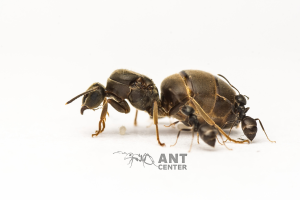
Lasius niger – Black Garden Ant (queen with colony).
A hardy, beginner-friendly European species. Easy care, simple diet and steady colony growth. Perfect for new ant keepers. Choose your colony size and start your ant-keeping journey.
Availability: duża ilość
Dispatched within: 48 godzin
Lasius flavus
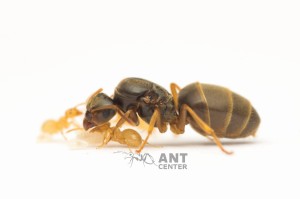
Lasius flavus is a calm, yellow European ant species ideal for beginners. Forms stable colonies, requires simple care, accepts most sugar mixes and feeder insects, and hibernates naturally in winter. A great choice for a first ant-keeping setup.
Availability: duża ilość
Dispatched within: 48 godzin
Messor barbarus
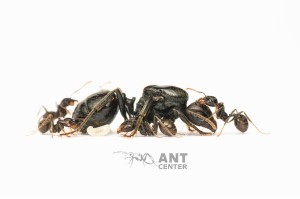
Messor barbarus – Harvester Ant queen with colony.
A popular beginner-friendly species known for its seed-based diet, visible caste system and impressive major workers. Perfect for observation and stable growth even in simple setups. Each order includes a fertilized queen with a selected number of workers.
Availability: duża ilość
Dispatched within: 48 godzin
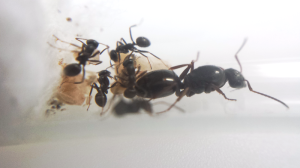
Crematogaster scutellaris
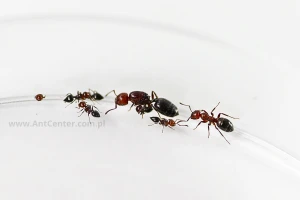
Crematogaster scutellaris is a fast, active Mediterranean ant colony known for its raised “heart-shaped” gaster and striking black-and-red coloration. Best kept in a well-ventilated setup with low to moderate humidity and steady access to sugars. A great choice for observation-focused ant keeping.
Availability: brak towaru
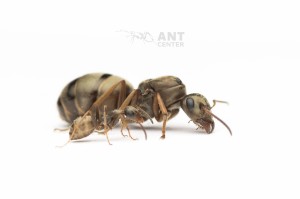
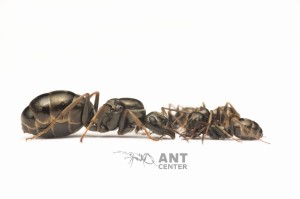
Myrmica sp.
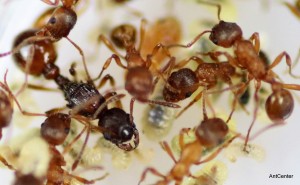
Myrmica sp. – reddish, active ants with multiple queens per colony. Medium difficulty. Perfect for natural setups with soil, cork, or decayed wood.
Availability: brak towaru
What Makes an Ant Species Suitable for Beginners?
Beginner-friendly ant species are selected according to several practical criteria that have the greatest influence on successful ant keeping:
- Hardiness and stable colony development – the colony grows at a relatively predictable rate and adapts well to typical indoor conditions.
- Manageable environmental requirements – suitable temperature and humidity levels can be maintained without complicated specialist equipment.
- Easier day-to-day care – feeding, cleaning the arena and preventing escapes are more manageable for a new ant keeper.
- A straightforward start – these species can develop successfully from a small colony, allowing you to learn ant keeping step by step.
If you would like to compare species by their region of origin and care requirements, explore our complete selection of live ant colonies for sale.
Which Ant Species Are Recommended for Beginners?
The species below are among the most popular choices for first-time ant keepers. Colony availability may vary depending on the season.
Lasius niger
Lasius niger, commonly known as the black garden ant, is one of the best-known beginner species. It is hardy, adapts well to home conditions and allows new keepers to observe the natural development of a European ant colony.
Formica fusca
Formica fusca is an active and resilient European species valued for its stable colony behaviour. Its workers are easy to observe, making the species an interesting choice for keepers who want to follow everyday colony activity.
Messor barbarus
Messor barbarus is a popular harvester ant that collects and stores seeds. Its seed-based diet, visible worker castes and impressive major workers make colony behaviour especially fascinating to observe.
How Do You Start Ant Keeping?
A successful start combines the right ant species with a basic understanding of colony care. Before choosing your first setup, explore our beginner guides:
- How to Start an Ant Colony – A Beginner’s Guide
- Queen Ants, Eggs and Small Colonies – How to Start Ant Keeping
- Test Tubes in Ant Keeping – Why They Matter
- Ant Farms and Formicariums for Ant Keeping
Frequently Asked Questions About Ants for Beginners
What are the best ants for beginners?
The best first colonies are hardy species with predictable development and manageable temperature, humidity and feeding requirements. Popular examples include Lasius niger, Formica fusca and Messor barbarus.
Do I need a large formicarium for my first ant colony?
No. A queen or very small colony should usually remain in a suitably prepared test tube setup. As the number of workers increases, the colony can be moved or connected to a compact formicarium and given additional space gradually.
Can ants escape from a formicarium?
A properly closed and well-maintained formicarium considerably reduces the risk of escape. Depending on the species and setup, an additional barrier such as Fluon or talc may be used. Learn more in our guide to anti-escape protection for formicariums.
Should a beginner choose an ant species that requires hibernation?
A beginner can keep a species that undergoes winter diapause, but its seasonal care requirements should be understood before purchase. If you prefer a simpler first experience, consider a species that does not require a winter resting period.
Choose Your First Ant Colony
Compare the available beginner-friendly species and select a colony whose size, activity level and care requirements match your first ant-keeping setup. If you are unsure which species to choose, contact AntCenter before ordering — we will help you select a suitable colony and formicarium.