
 Menu
Search
Menu
Search
€41.95
Regular price:
€45.61
€59.02
Regular price:
€62.68

€90.00
Regular price:
€93.66
€38.54
Regular price:
€42.20
€40.24
Regular price:
€42.68

€27.80
Regular price:
€30.24

€27.80
Regular price:
€30.24

€24.88
Regular price:
€27.32

€29.76
Regular price:
€33.41
€32.20
Regular price:
€35.85

€65.85
Regular price:
€69.51
€18.78
Regular price:
€22.44

€90.00
Regular price:
€93.66
Login
Languages

 Browsing options
Vendor
Price
-
from
to
Live Protein Food for Ant Colonies
Fresh and live food for ants, often referred to as feeder insects, is a valuable source of protein that supports brood development and colony growth. Live protein is especially important during periods of intensive larval feeding.
Common types of live food for ants include mealworm larvae, crickets, and superworms. To ensure safety, live insects should always be offered in small pieces rather than whole, active specimens. This prevents stress, injuries, and direct confrontations between ants and the feeder insect.
The need for live protein depends on the ant species, colony size, and season. Some species require regular protein intake, while others need it mainly during brood-rearing periods.
Mealworm - 20ml
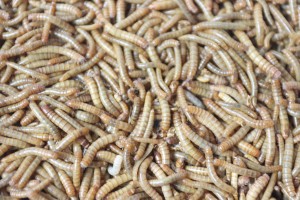
Live mealworms (20 ml) – nutritious, protein-rich food for ants. Perfect for daily feeding, supports healthy colony growth and activity.
Availability: duża ilość
Dispatched within: 24 godziny
Sterilized Fresh Superworm Larvae 20g- Protein-Rich Larvae for Ants
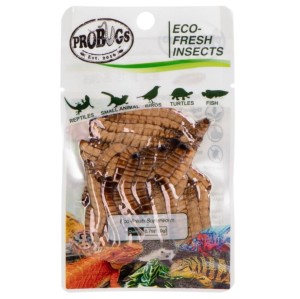
Sterilized, fresh superworm larvae – an ideal protein source for larger ant species. Soft, juicy, and safe – like live insects, but without the risk of parasites.
Availability: brak towaru
Sterilized Fresh Silkworm 15g – Protein-Rich Larvae for Ants
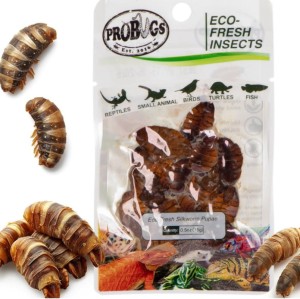
Sterilized, fresh silkworm larvae – an easily digestible protein source for larger ant species. Juicy, soft, and safe – ideal as a supplement to their protein-rich diet.
Availability: brak towaru
Sterilized Fresh Grasshopper 8 pcs
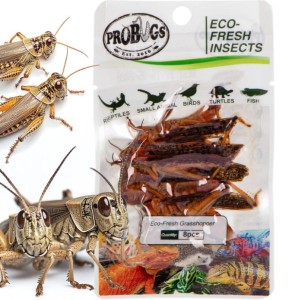
Soft, sterilized grasshoppers (4–5 cm) – a protein- and chitin-rich food for larger ant species like Camponotus or Messor. Juicy, safe, and easy to portion – a perfect supplement for colony growth and development.
Availability: brak towaru
Sterilized Fresh Argentine Cockroaches- 5 pcs
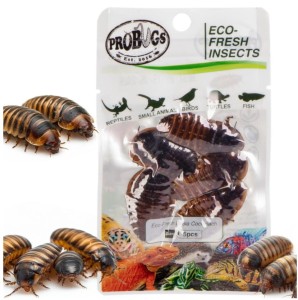
Safe and nutritious food for ants and other insectivorous animals. Sterile roaches – juicy, rich in protein and minerals.
Availability: brak towaru
Sterilized Fresh Riceworm 15g
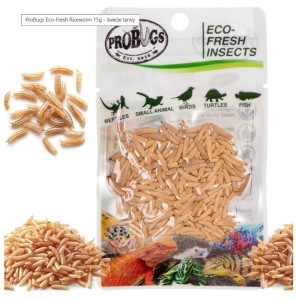
Fresh, sterile riceworm fly larvae – protein-rich and mineral-packed, perfect for ants and other insect-eating animals.
Availability: brak towaru
Sterilized fresh scorpions – 3 pcs pack
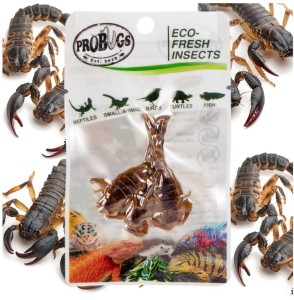
Fresh, high-protein feeder for reptiles, amphibians, birds, predatory fish, and larger ant colonies.
Availability: brak towaru
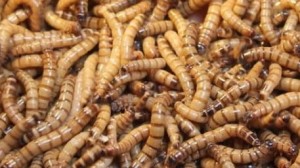


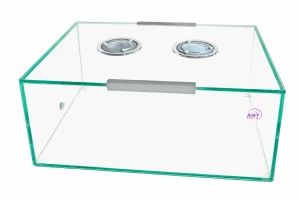
Acrylic terrarium 105x85x66 mm - container for crickets, spiders
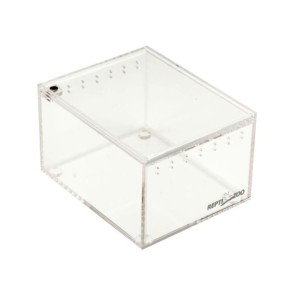
Availability: na wyczerpaniu
Dispatched within: 48 godzin
Accessories for Feeding Ants with Live Food
Feeding ants with live or fresh protein requires not only proper food selection but also the right tools. Feeding accessories help ensure safe preparation, hygienic handling, and precise portioning of live feeder insects.
Tools for Safe Preparation of Live Food
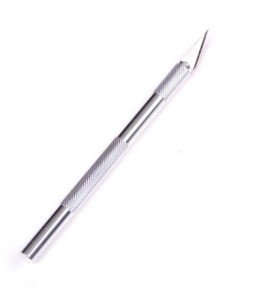
To avoid stress and injuries to the colony, live feeder insects should always be prepared before serving. Our offer includes scalpels designed for safely cutting feeder insects into appropriate portions, making protein feeding safer and easier for ants.
Collecting and Storing Live Feeder Insects
For ant keepers who collect insects independently, insect catchers allow safe and controlled collection of live feeder insects from nature. Proper feeder storage containers help keep live food fresh, contained, and in good condition for longer periods.
All feeding accessories are made from materials that are safe for ants and feeder insects. They are reusable, durable, and designed to support efficient and responsible feeding in any formicarium setup.
FAQ – Fresh and Live Food for Ants
Is live food necessary for all ant species?
No. Some ant species require regular protein intake, while others need live food mainly during brood-rearing periods. Feeding should always be adjusted to the species.
Should live insects be fed whole to ants?
No. Live insects should always be offered in pieces to prevent injuries and stress caused by direct interaction with active feeder insects.
How often should live food be given to ants?
Feeding frequency depends on species, colony size, and season. During active brood development, protein is usually needed more frequently.
How should live feeder insects be stored?
Feeder insects should be kept in a cool environment with proper ventilation and food. Lower temperatures slow their development and extend their usability.