 Menu
Search
Menu
Search
€45.61
Regular price:
€49.27

€25.37
Regular price:
€29.02
€25.37
Regular price:
€29.02
€27.07
Regular price:
€30.73
€41.95
Regular price:
€45.61
€59.02
Regular price:
€62.68

€90.00
Regular price:
€93.66
€38.54
Regular price:
€42.20
€40.24
Regular price:
€42.68

€27.80
Regular price:
€30.24

€27.80
Regular price:
€30.24

€24.88
Regular price:
€27.32

€90.00
Regular price:
€93.66
Producers
Login
Languages


Crematogaster scutellaris
Regular price:
product unavailable
add to wish list
3.95
Description
Crematogaster scutellaris – Ant Colony for Keeping
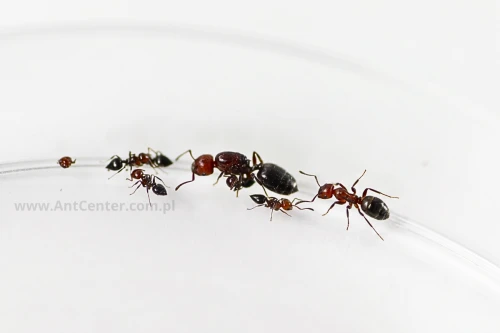
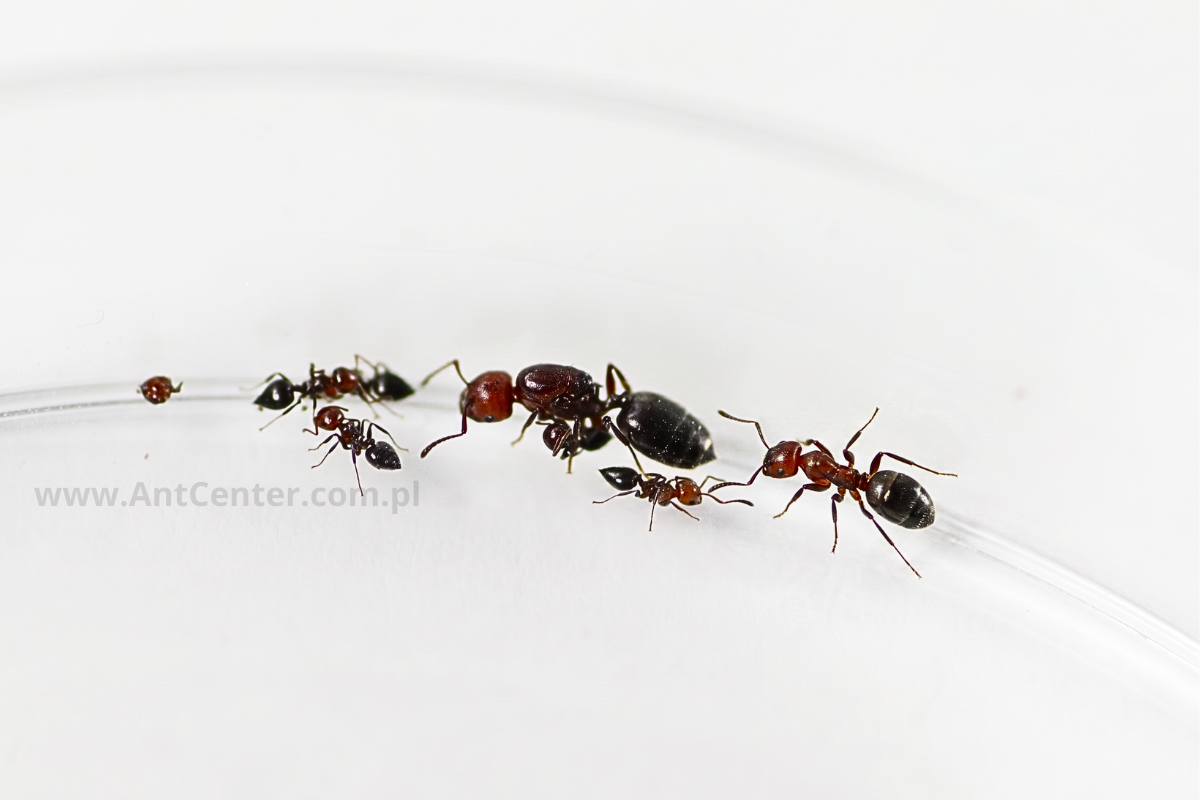
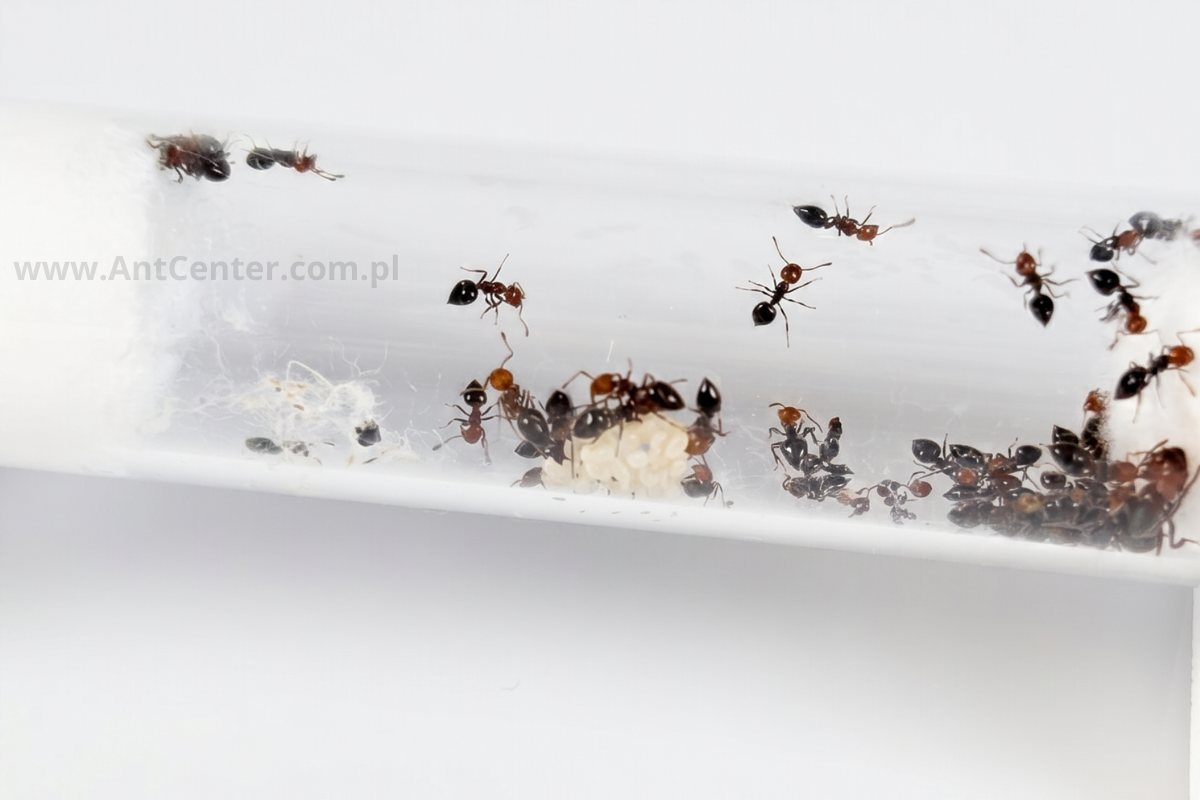
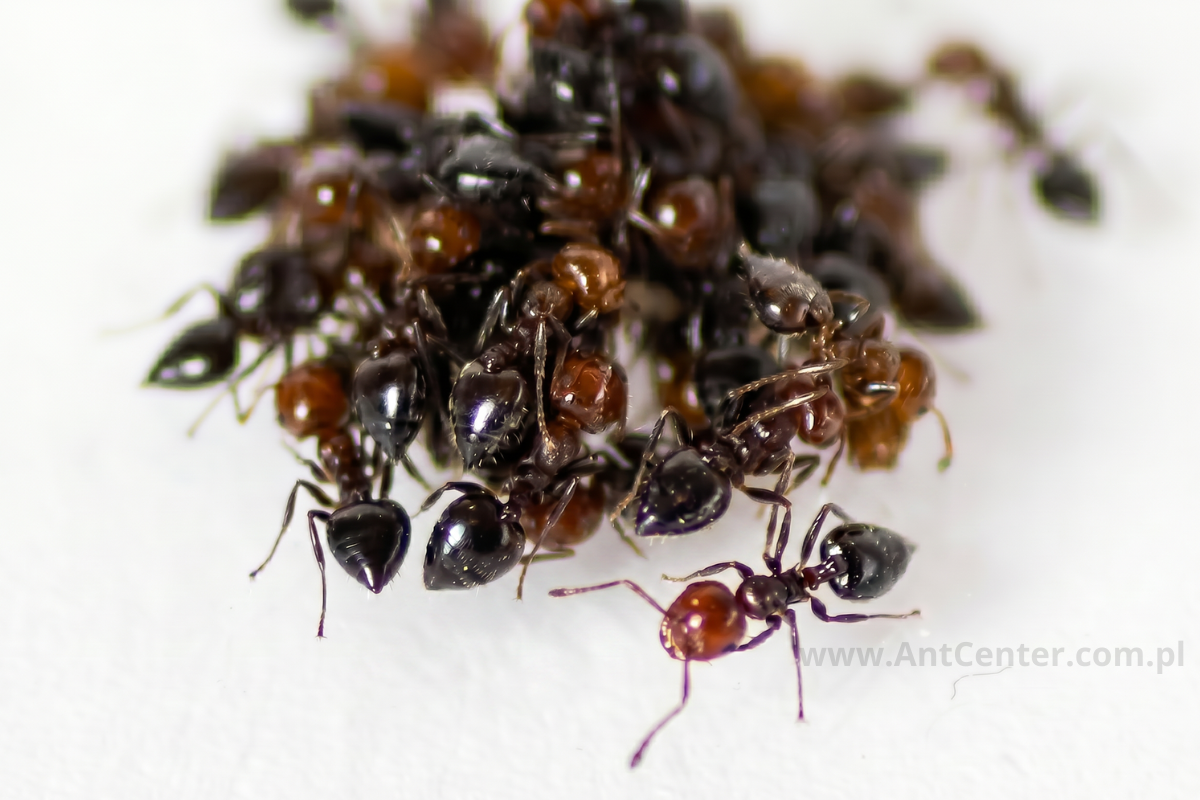
Crematogaster scutellaris is one of the most recognizable and eye-catching Mediterranean ant species. Its characteristic, often raised “heart-shaped” gaster and strong black-and-red contrast make it a fascinating colony to observe in a home formicarium.
These ants are active, fast, and resilient. With proper conditions, the colony can develop steadily and offers a lot of satisfaction—especially in a well-ventilated foraging arena.
Species Overview
- Colony type: most often single-queen
- Activity: high, mainly daytime
- Lifestyle: warm-loving species, prefers rather dry environments
- Nesting in nature: dead wood, under bark, cracks and crevices
When threatened, workers often raise their gaster—this is a typical defensive behavior of the Crematogaster genus. It also makes the species easy to recognize and especially interesting to observe up close.
Learn more: Beautiful ants: Crematogaster scutellaris
Keeping Conditions in a Formicarium
Crematogaster scutellaris does best in setups that provide:
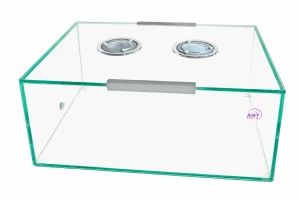
- good ventilation (arena + lid)
- stable temperature and regular access to sugar
- controlled humidity—without overwatering
Practical Recommendations
- Temperature: approx. 22–28°C
- Humidity: low to moderate (avoid constant high humidity)
- Nest type: nests with a dry zone (e.g. cork/wood, or modular nests with controlled hydration)
- Arena: dry, well-ventilated, with reliable escape protection
Important: one of the most common mistakes with this species is excess moisture. If the arena fogs up or water constantly condenses inside the nest, conditions are too wet.
Feeding
In captivity, the colony readily accepts:
- sugars: honey, syrup, sugar water (small portions)
- protein: small feeder insects (important for larval development)
A varied diet supports brood growth, worker activity, and overall colony condition.
Who Is This Species For?
- beginners looking for an active species
- keepers focused on observing social behavior
- fans of Mediterranean, warm-loving ants
What’s Next?
Choose a suitable nest and a well-ventilated arena, and if you want to learn more, visit our ant-keeping blog and compare the requirements of dry-adapted species. Select your colony variant and start observing—this species can truly surprise you with its dynamics.
Frequently Asked Questions (FAQ)
Is Crematogaster scutellaris difficult to keep?
No. It is a resilient species that adapts well to home conditions. The key is avoiding excess humidity and providing constant access to sugar.
What humidity should I maintain in the nest?
Low to moderate. This species does not like constant high humidity. Spot-hydrate and watch colony behavior rather than keeping the environment “wet.”
What temperature is best?
A range of about 22–28°C works well. Warmer conditions can increase activity, but stability is more important than chasing maximum temperature.
What should I feed the colony?
Provide sugars (honey/syrup/sugar water) and regular protein in the form of small feeder insects—especially when larvae are present.
Do I need escape protection in the arena?
Yes. These ants are fast and active. A good escape barrier makes daily maintenance easier and safer.
Related products
Set of food for ants

Mealworm - 20ml

Honey 1,5 ml

Dish for honey ( with honey)