







Crematogaster scutellaris – an eye-catching ant species for home breeding
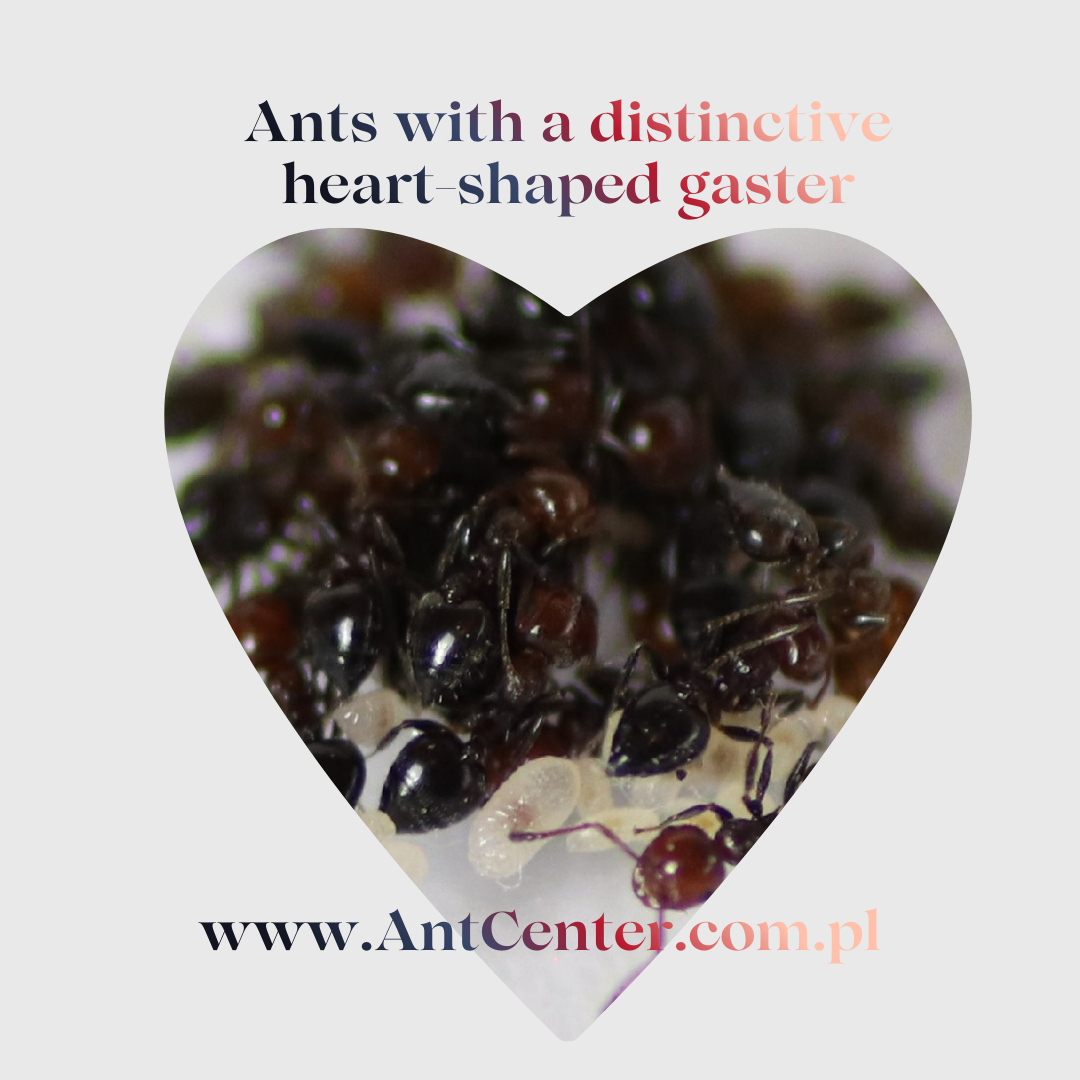
Crematogaster scutellaris is one of the most distinctive ant species found in Southern Europe. It stands out thanks to its contrasting coloration and unique defensive behavior – workers often raise their gaster in a characteristic “acrobatic” posture.
For ant keepers, this species is particularly interesting: active, resilient, and well adapted to home breeding conditions, while still offering behaviors that differ noticeably from common Northern European ant species.
What does Crematogaster scutellaris look like?
The workers are small, slender, and highly mobile. The most recognizable features of this species include:
- a heart-shaped gaster, often raised above the body
- contrasting coloration – a dark thorax and gaster combined with a lighter, reddish head
This distinctive silhouette is the reason why the species is often referred to as an “acrobat ant” and is popular among keepers who value behavioral observation rather than just rapid colony growth.
Natural habitat and lifestyle
In the wild, Crematogaster scutellaris inhabits regions of the Mediterranean basin. It prefers environments that are:
- warm and dry
- dead wood and spaces beneath tree bark
- cracks in walls, rocks, and natural structures
This lifestyle directly influences its breeding requirements – the species does not tolerate excessive humidity and thrives best in well-ventilated environments.
Colony behavior
Crematogaster scutellaris ants are known for being:
- highly active during the day
- quick to respond to external stimuli
- intensively communicating through pheromones
When threatened, workers raise their gaster and transmit an alarm signal to the rest of the colony. In a formicarium, this allows keepers to observe natural defense mechanisms and the social organization of the species.
Keeping Crematogaster scutellaris at home
Although the species originates from warm regions of Europe, it adapts very well to home breeding as long as basic conditions are met.
Key breeding guidelines:
- Temperature: approximately 22–28°C
- Humidity: low to moderate
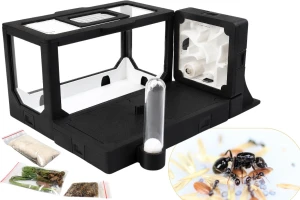
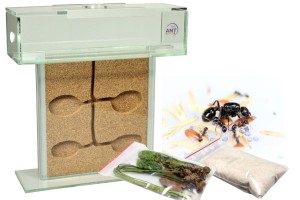
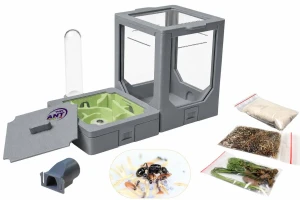
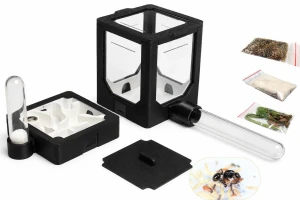
- formicarium with a dry zone and good ventilation
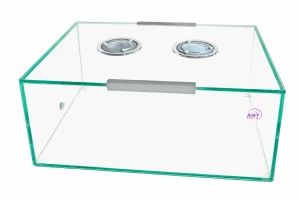
- arena secured against escapes
The most common mistake when keeping this species is excessive humidity, which may lead to colony stress and slower development.
What do Crematogaster scutellaris ants eat?
In captivity, the colony readily accepts:
- sugary foods (honey, syrup, sugar water)
- small feeder insects as a source of protein
A varied diet supports colony growth, worker activity, and the overall condition of the queen.
Recommended: a dedicated ant food set suitable for this species.
Is this species suitable for beginners?
Yes – provided its needs are understood. Crematogaster scutellaris is not difficult to keep, but it does require humidity control, proper ventilation, and effective escape prevention.
For those starting their ant-keeping journey and looking to observe dynamic and engaging social behaviors, this species is an excellent choice.
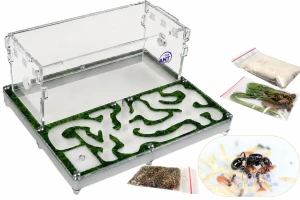
If you would like to start breeding this species, check out:
Crematogaster scutellaris – ant colony for breeding
What next?
If you are interested in Crematogaster scutellaris and want to better understand ant behavior and breeding requirements, we recommend the following related guides:
- How do ants use formic acid? – learn about natural defense mechanisms and chemical communication.
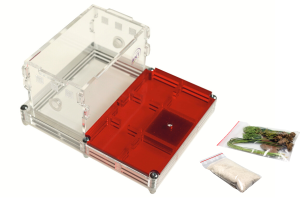
- Formicarium for ants – how to choose the right one? – a practical guide to nests and arenas, including dry-loving species.
- How to stop ants from escaping? – proven methods for securing arenas and preventing escapes of active species.
These articles will help you plan your breeding setup, avoid common mistakes, and better prepare a formicarium for active, warm-loving ant species.
Frequently Asked Questions (FAQ)
Is Crematogaster scutellaris suitable for home breeding?
Yes. It is a resilient species that adapts well to home conditions when provided with a dry and well-ventilated environment.
What type of formicarium is best for this species?
Formicaria with a dry zone and an arena secured against escapes work best.
Is Crematogaster scutellaris difficult to keep?
No. With proper humidity control and ventilation, it is suitable even for beginner ant keepers.
Author
Piotr Rachwał – insect enthusiast, founder of AntCenter, and a promoter of ant-keeping knowledge in Poland. For years, he has been designing and testing optimal formicarium solutions, supporting both beginner and advanced ant keepers.
Privately a traveler, forest lover, and fan of black coffee. More practical tips can be found on the AntCenter ant-keeping blog and on our YouTube channel.