






How did a childhood fascination with ants grow into AntCenter?
AntCenter’s story began with curiosity about the natural world and the small lives that often go unnoticed beneath our feet. Long before there was an online shop, there was a young ant enthusiast observing insects and wondering how their hidden world worked.
For Piotr Rachwał, one moment stayed with him in particular: discovering a colony of Camponotus ligniperda, one of Europe’s largest ant species. The sight of the queen, workers and brood made a lasting impression. Years later, that curiosity would grow into AntCenter.
The first colonies occupied a desk. As their number grew, books and papers gradually made room for test tubes and ant-keeping equipment. The next step was a garage, where the first tools and formicarium projects appeared. What started as a personal passion was beginning to take shape as a place where other ant keepers could find equipment and practical support.
How has ant keeping changed over the past decade?
When the hobby was still a small niche in Poland, ant keepers often found one another through online forums. The community was small, and people shared observations, asked questions and worked out solutions together. Reliable guides, ready-made setups and specialist shops were much harder to find than they are today.
Many early formicaria were built and tested by hobbyists themselves. Keepers experimented with materials, nest layouts, humidity and escape prevention. Some ideas worked; others taught valuable lessons. Over time, those observations helped shape more practical setups for both ants and their keepers.
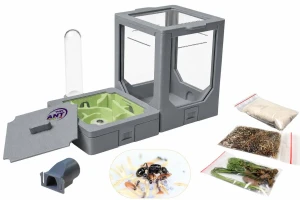
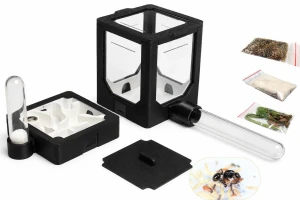
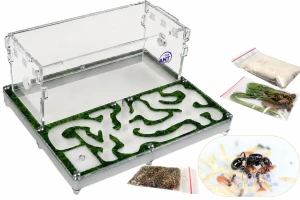
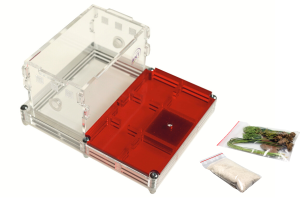
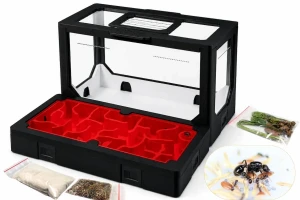
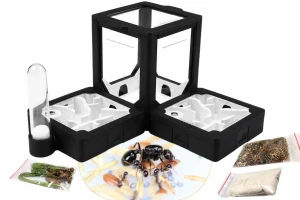
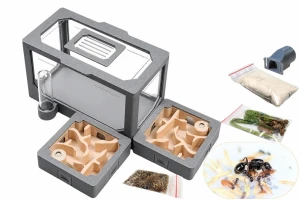
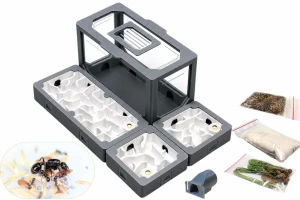
The internet changed how people discovered the hobby. Guides, videos, social media and shared observations made it easier to see what happens inside a colony. Today, a formicarium can bring this hidden world into a home, classroom or nature workshop.
What makes watching an ant colony so fascinating?
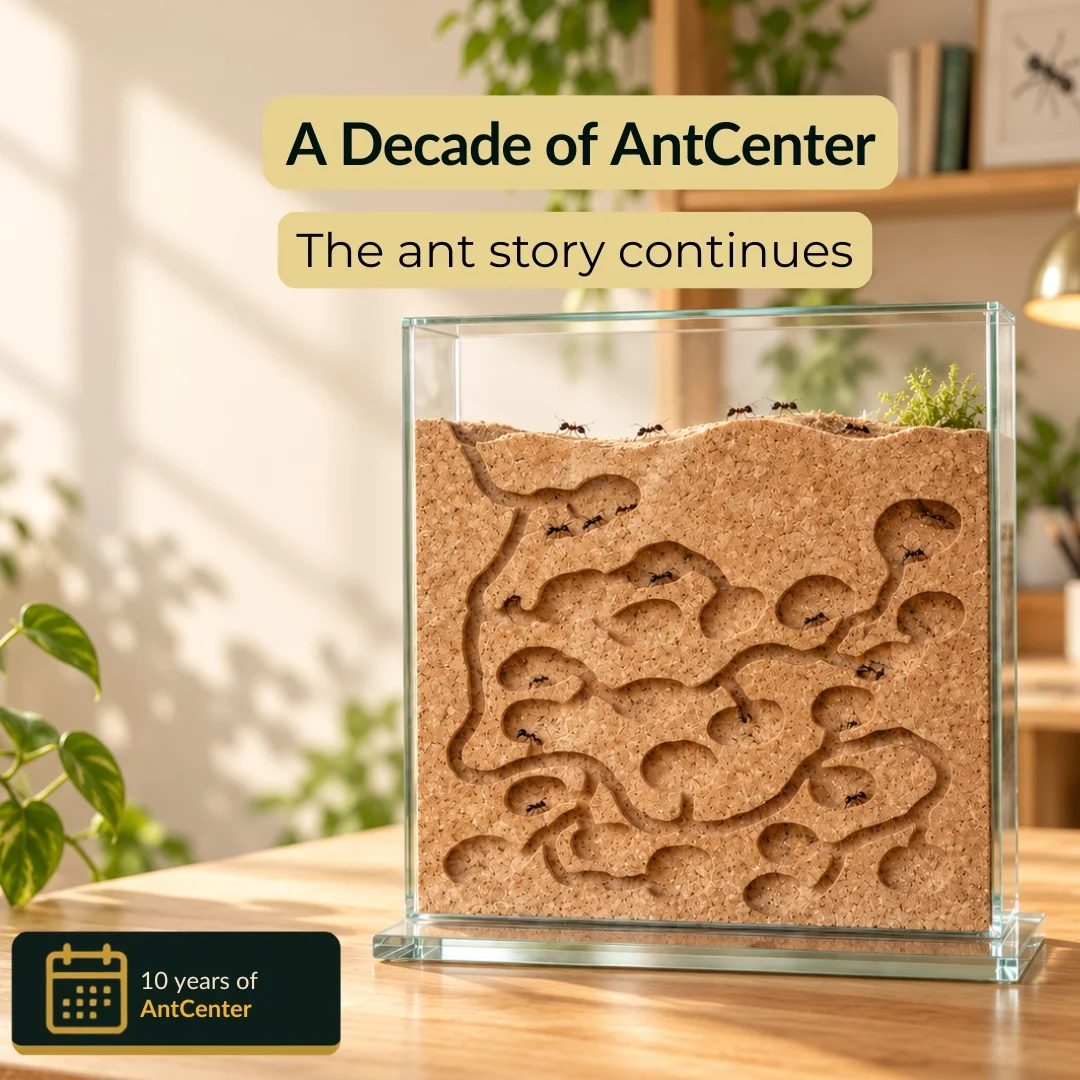
Through the clear walls of a formicarium, everyday colony life becomes visible. Workers care for the brood, move food, maintain the nest and respond to changes around them. A small colony is a complex society, and there is always something new to notice.
Ant keeping also teaches patience. A colony develops at its own pace, and its progress cannot be rushed. The first eggs, larvae and workers are milestones that reward regular, careful observation.
No two colonies are exactly alike. Even after years of experience, ants can still surprise their keepers. That is one reason many people begin with curiosity and stay with the hobby for years.
What has AntCenter learned from working with colonies?
Over more than a decade, thousands of colonies and many different species have passed through AntCenter. Each one has added to the practical knowledge behind choosing, designing and improving formicaria.
AntCenter’s work has grown beyond making products. It also includes sharing knowledge about ant care and helping people understand what a colony needs. Piotr Rachwał has spoken about ants in the media and led educational workshops for children, schools and preschools.
Experience has shown that a good setup needs to work for the keeper while providing suitable conditions for the ants. It has also shown that responsible care begins with learning about a species and observing the colony rather than expecting it to develop on a fixed schedule.
What might the next chapter of AntCenter bring?
Ten years is a milestone, but the story is still being written. AntCenter is grateful to the customers, keepers, schools, teachers, partners and creators who have shared this journey.
We hope more people will discover the remarkable world of ants — one observation, one colony and one question at a time. Sometimes a great adventure begins with something small: a test tube, a curious look and the first glimpse of life inside a colony.
Ready to explore ant keeping?
Discover live ant colonies, ant farms and formicaria for different stages of the hobby.
Explore ant colonies Browse ant farmsFrequently asked questions about AntCenter and ant keeping
How did AntCenter begin?
AntCenter grew from Piotr Rachwał’s long-standing interest in ants and the natural world. His early colony observations led to formicarium projects, practical experience and, eventually, a specialist shop.
How has ant keeping changed in Poland?
It has become easier to access information, equipment and suitable setups. Online guides and videos have helped more people discover the hobby, while years of shared experience have improved formicaria and care practices.
Why do people enjoy observing ant colonies?
A formicarium makes it possible to watch brood care, food gathering, nest maintenance and other colony behaviours up close. The colony develops gradually, so regular observation often reveals something new.
Is ant keeping suitable for beginners?
It can be a rewarding hobby for beginners who choose a suitable species and learn about its needs. AntCenter’s beginner’s guide to ant keeping is a useful place to start.
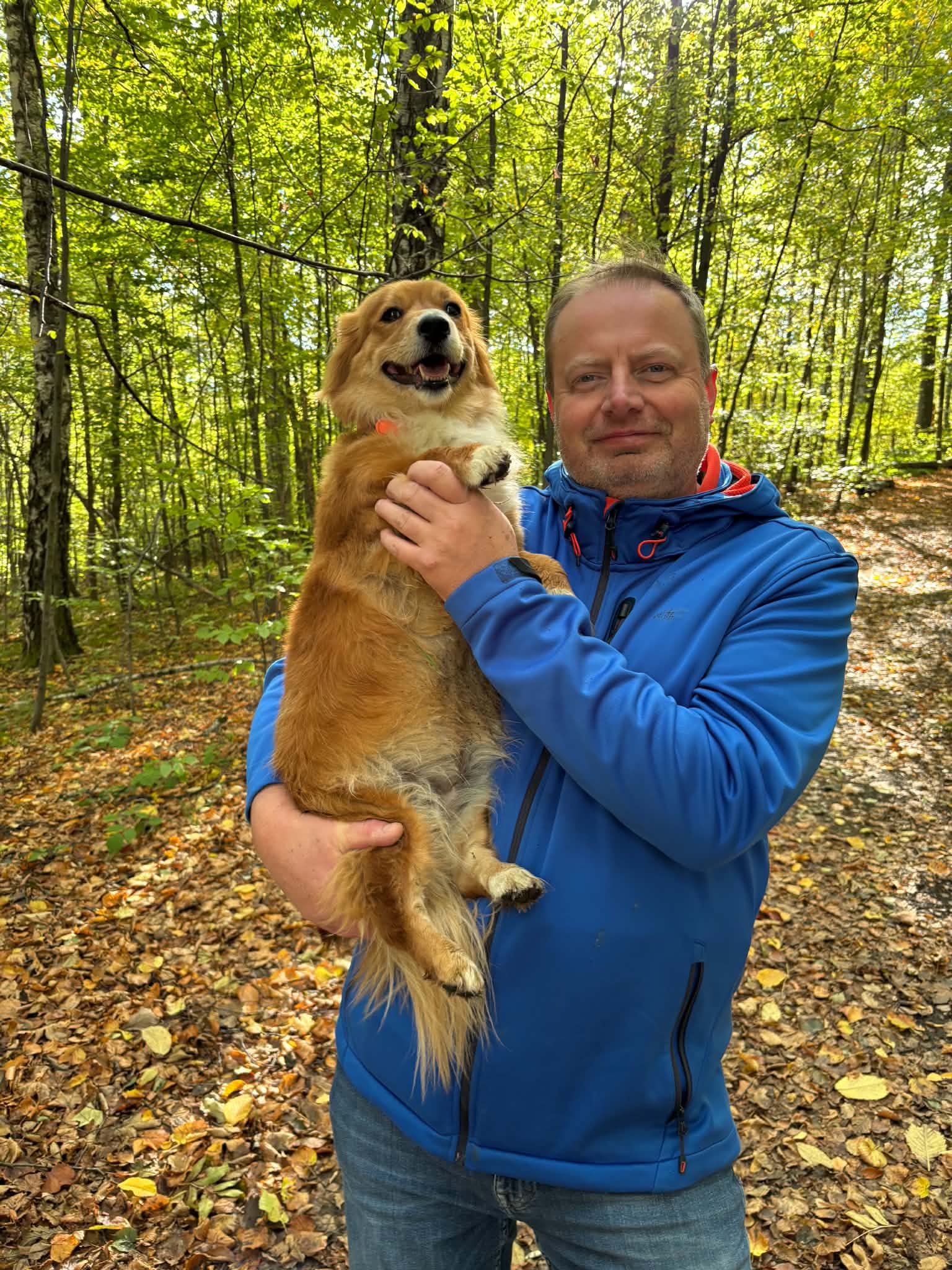
Piotr Rachwał – AntExpert
About the author
Piotr Rachwał is the founder of AntCenter, an experienced ant keeper and a populariser of nature education. He has spent years designing formicaria and leading educational workshops for children, schools and preschools. His work combines practical experience with a clear, engaging way of explaining the world of ants.
This article brings together key facts from AntCenter’s anniversary series and draws on Piotr Rachwał’s conversations with Kamil Dzikowski, published by W Tonacji Kultury. Read or listen to the interview series.