

 Menu
Search
Menu
Search

€29.02
Regular price:
€31.46

€88.78
Regular price:
€93.66

€4.15
Regular price:
€4.39
€30.98
Regular price:
€35.85
€17.56
Regular price:
€22.44

€44.39
Regular price:
€49.27
€44.39
Regular price:
€49.27

€24.15
Regular price:
€29.02
€24.15
Regular price:
€29.02
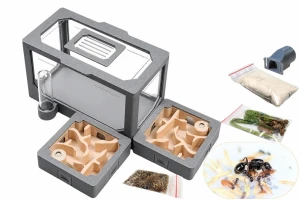
€25.85
Regular price:
€30.73
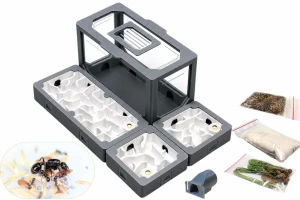
€40.73
Regular price:
€45.61
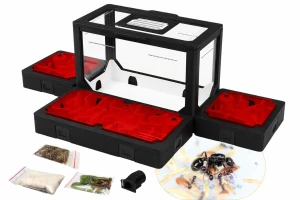
€57.80
Regular price:
€62.68
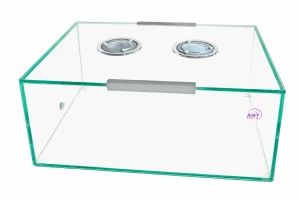

€88.78
Regular price:
€93.66
Producers
Login
Languages


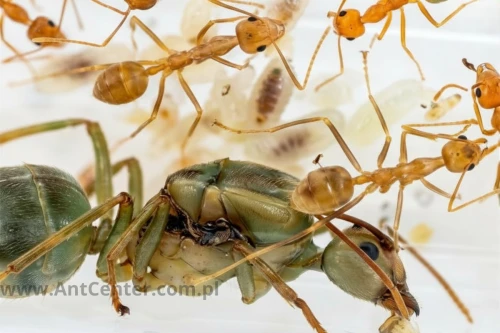
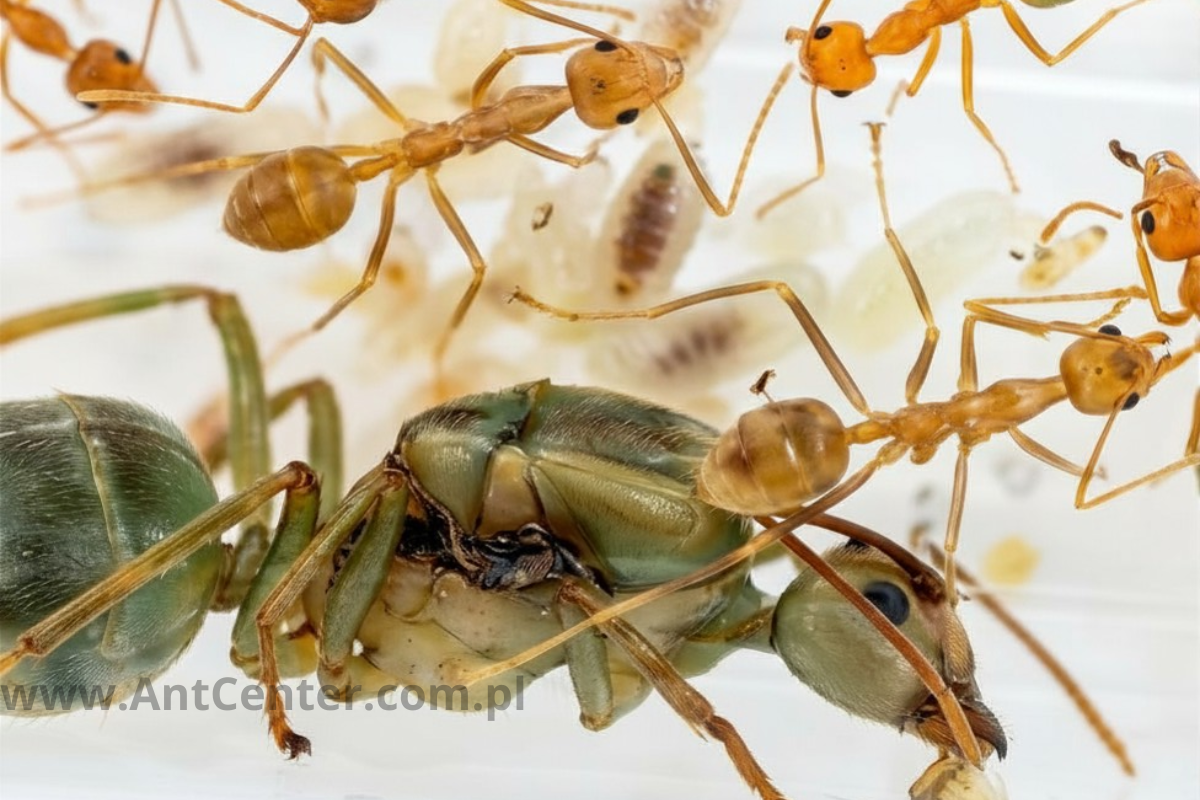
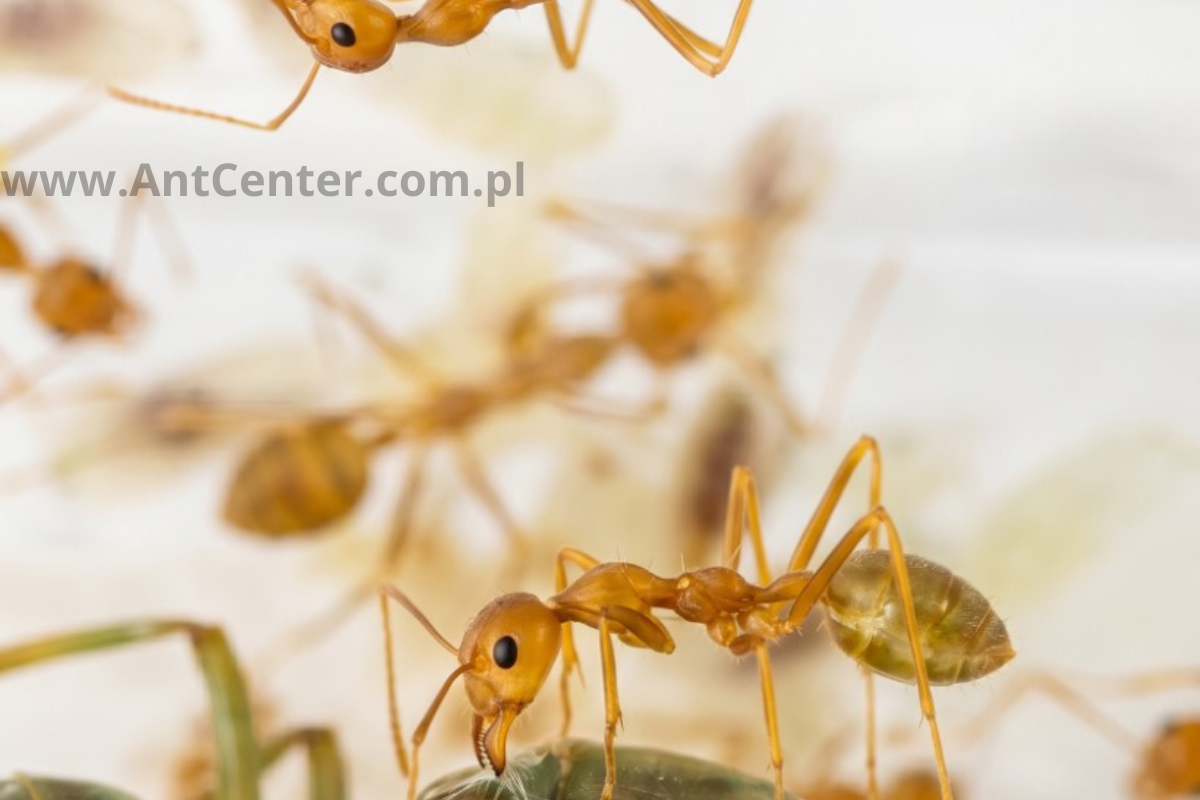
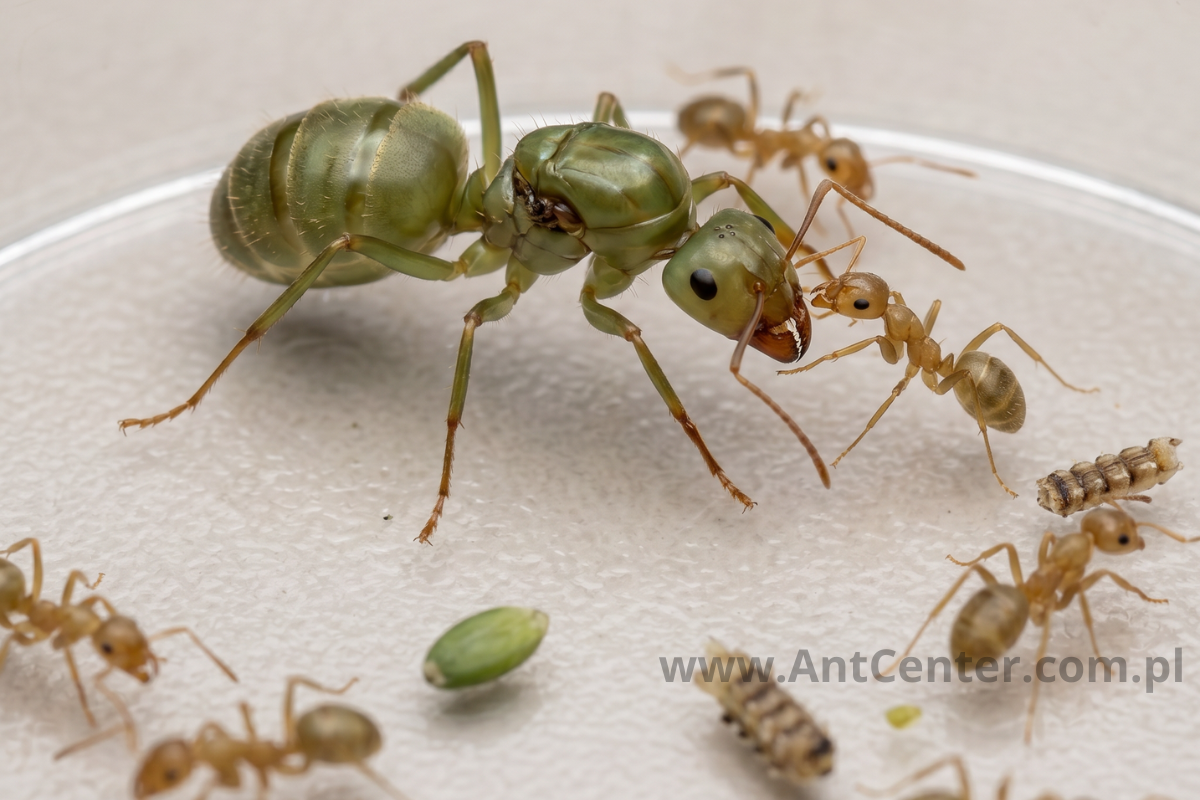
Oecophylla smaragdina – Weaver Ant Queen with Colony
Regular price:
product unavailable
add to wish list
5
Description
Oecophylla smaragdina – Australian Green Weaver Ants
Oecophylla smaragdina is one of the most spectacular ant species available in ant keeping. Commonly known as weaver ants, they are famous for constructing nests from leaves joined together with silk produced by their larvae. This species offers a remarkable opportunity to observe advanced social behaviour, intense colony activity and natural nest-building strategies.
An Oecophylla smaragdina colony is highly dynamic, strongly territorial and perfectly adapted to life in an arboreal environment. These striking and exceptionally active ants require carefully prepared, stable keeping conditions.
What Makes Oecophylla smaragdina So Remarkable?
- They construct nests from leaves joined with silk produced by their larvae.
- They form highly active and dynamic colonies.
- They display advanced social and cooperative behaviour.
- They react quickly to food and environmental stimuli.
- They are among the most recognisable arboreal ant species.
Essential Species Information
- Scientific name: Oecophylla smaragdina
- Common name: Asian weaver ant or green weaver ant
- Origin: Southeast Asia, Australia and other tropical regions
- Lifestyle: arboreal species
- Queen size: approximately 18–22 mm
- Worker size: approximately 5–10 mm
- Temperament: highly active and territorial
- Experience level: intermediate to advanced ant keepers
What Conditions Does Oecophylla smaragdina Require?
Oecophylla smaragdina requires conditions similar to those found in a tropical environment. A spacious, well-ventilated enclosure works best, with vertical elements, branches, plants or other suitable structures that allow the ants to climb, explore and construct their nests.
- Temperature: approximately 24–30°C
- Recommended range: approximately 26–28°C
- Humidity: moderate to high
- Ventilation: very good
- Recommended setup: spacious arboreal outworld or enclosure
This species is not suited to a conventional soil nest. Weaver ants display their natural behaviour most effectively in a carefully arranged arboreal setup that provides enough space for climbing, exploration and nest construction.
What Should You Feed Weaver Ants?
Oecophylla smaragdina has a high demand for protein, especially during periods of intensive colony growth and brood development. Its diet should combine suitable feeder insects with sources of carbohydrates that provide energy for the workers.
- feeder insects, such as flies, crickets or cockroaches,
- protein foods formulated for ants,
- honey, nectar or suitable sugar solutions,
- a regularly replenished source of clean water.
Consistent access to carbohydrates and regular protein feeding support brood development and help maintain the colony’s high activity level.
Who Is Oecophylla smaragdina Recommended For?
This species is recommended primarily for keepers who already have experience caring for ants and would like to observe a more demanding but exceptionally impressive colony. Oecophylla smaragdina is not the best choice for a first ant colony because it requires stable tropical conditions, excellent ventilation, reliable escape prevention and sufficient space.
It is an excellent choice for an experienced keeper interested in observing natural arboreal behaviour, active hunting, cooperation between workers and the distinctive construction of woven nests.
What Should You Consider Before Choosing This Species?
- The ants are fast and highly agile, so the enclosure must be carefully secured.
- The colony will require additional space as it grows.
- A stable temperature must be maintained.
- Stagnant air and inadequate ventilation should be avoided.
- Regular feeding is important for maintaining the colony’s condition and development.
AntCenter Keeper’s Tip
To observe the full behavioural potential of this species, provide the colony with warmth, climbing space and suitable elements that can be incorporated into its nest. Oecophylla smaragdina is most impressive in a carefully planned arboreal setup that allows the ants to display their natural building and foraging behaviour.
Discover More Australian Ant Colonies
Compare Oecophylla smaragdina with other fascinating species from Australia and learn which colony best matches your experience and planned setup.
Frequently Asked Questions About Oecophylla smaragdina
Is Oecophylla smaragdina suitable for beginners?
No. Weaver ants are highly active and fast-moving, and they require stable tropical conditions, excellent ventilation and reliable escape prevention. This species is better suited to intermediate and advanced ant keepers.
Does Oecophylla smaragdina build leaf nests in captivity?
Yes. In a suitably arranged enclosure, the ants may display their natural nest-building behaviour by joining leaves or other suitable structural elements with silk produced by their larvae.
What type of formicarium do weaver ants need?
A spacious arboreal outworld or enclosure with excellent ventilation, climbing structures and enough room for nest construction is recommended. A conventional soil nest is not suitable for this species.
What should I feed Oecophylla smaragdina?
The diet should include feeder insects as a source of protein and carbohydrates provided as honey, nectar or a suitable sugar solution. The colony should also have regular access to clean water.
Is Oecophylla smaragdina an active species?
Yes. These ants are exceptionally active and territorial. Workers explore their surroundings intensively and react very quickly to food and other environmental stimuli.
What Should You Do Next?
If you are looking for a species distinguished not only by its appearance but above all by its behaviour, Oecophylla smaragdina is an exceptional choice. This colony is intended for keepers who want to observe woven nest construction, cooperation between workers and the intense daily activity of arboreal ants.
Before ordering, make sure you can provide stable warmth, excellent ventilation, climbing space and effective escape prevention. If you need help planning the setup, contact AntCenter — we will be happy to advise you.