
 Menu
Search
Menu
Search

€27.80
Regular price:
€30.24

€27.80
Regular price:
€30.24

€24.88
Regular price:
€27.32

€29.76
Regular price:
€33.41

€32.20
Regular price:
€35.85

€65.85
Regular price:
€69.51

€18.78
Regular price:
€22.44
€57.07
Regular price:
€60.73

€45.61
Regular price:
€49.27
€20.73
Regular price:
€23.17

€45.61
Regular price:
€49.27

€25.37
Regular price:
€29.02



€90.00
Regular price:
€93.66
Producers
Login
Languages


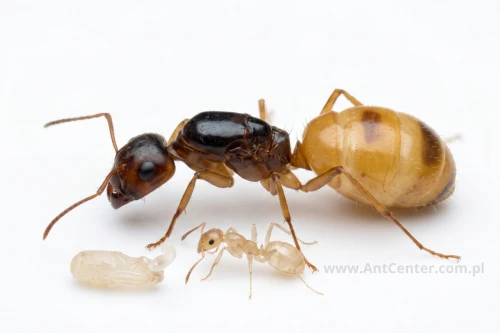
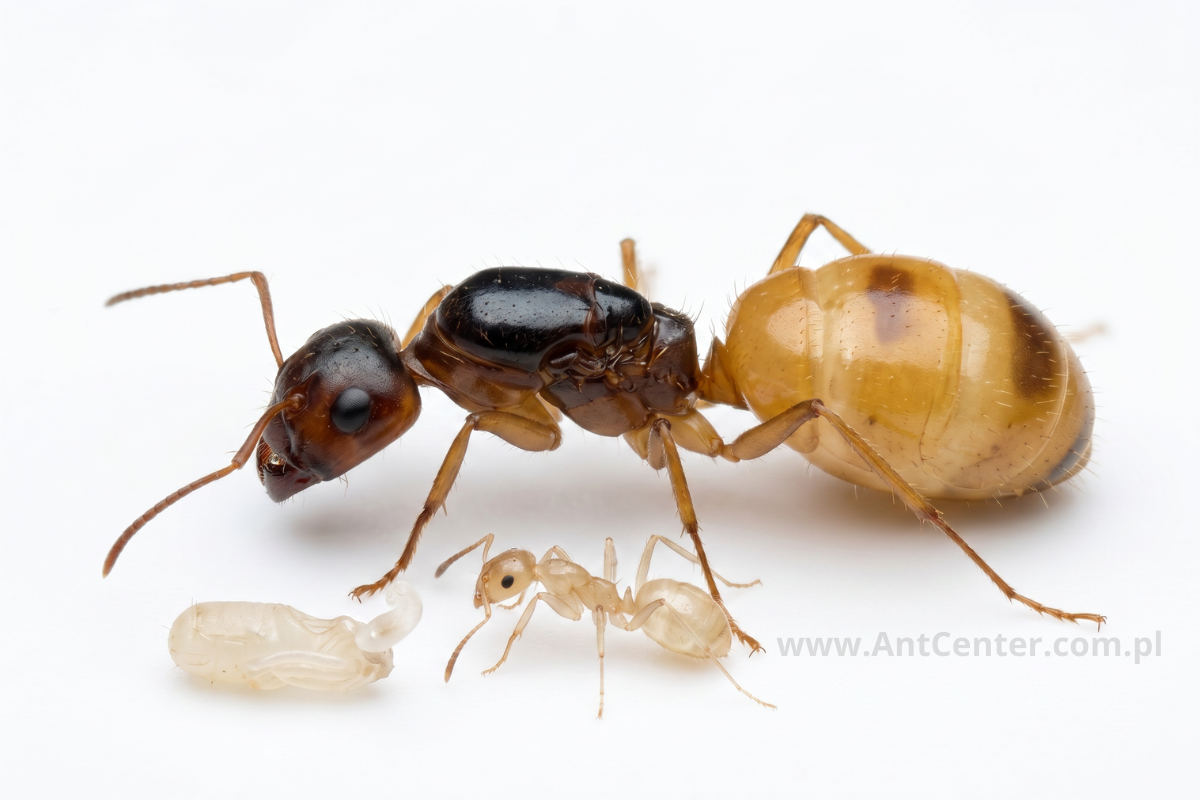
Camponotus Fedtschenkoi
Regular price:
product unavailable
add to wish list
4.6
Description
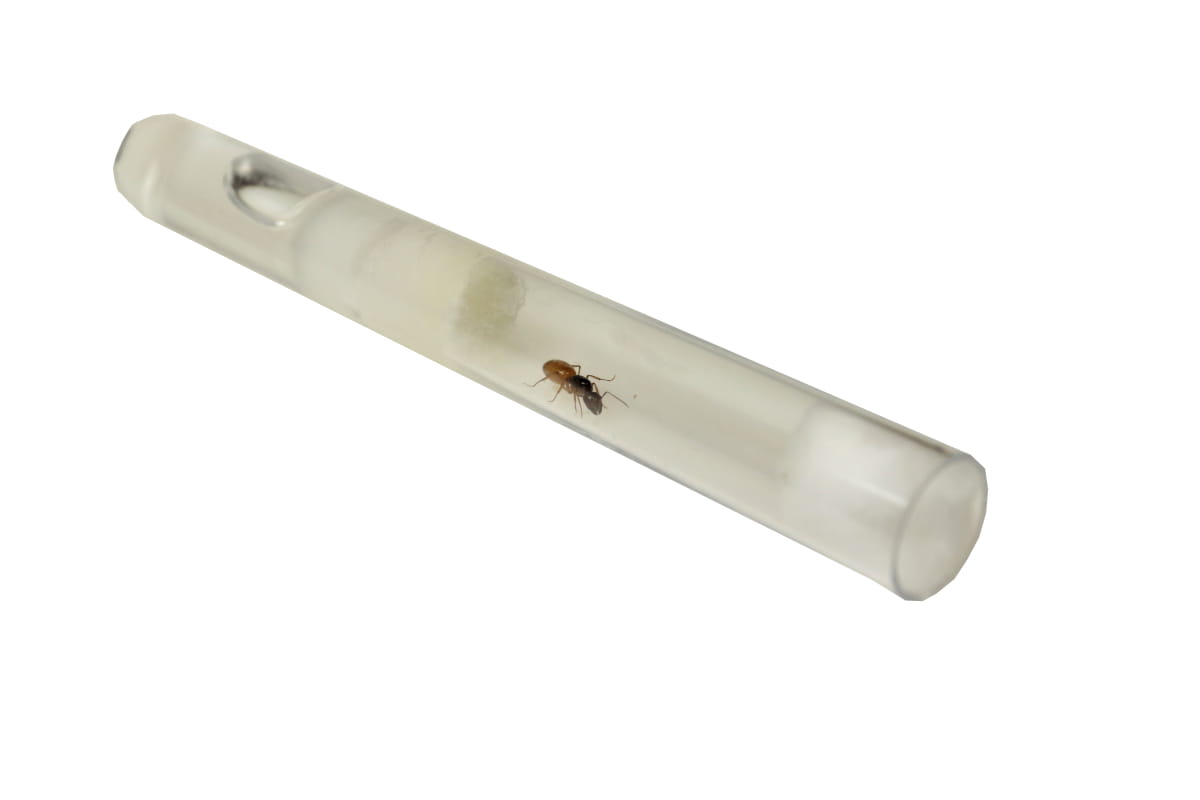
Ants Camponotus Fedtschenkoi
Species description:
Species: Camponotus Fedtschenkoi
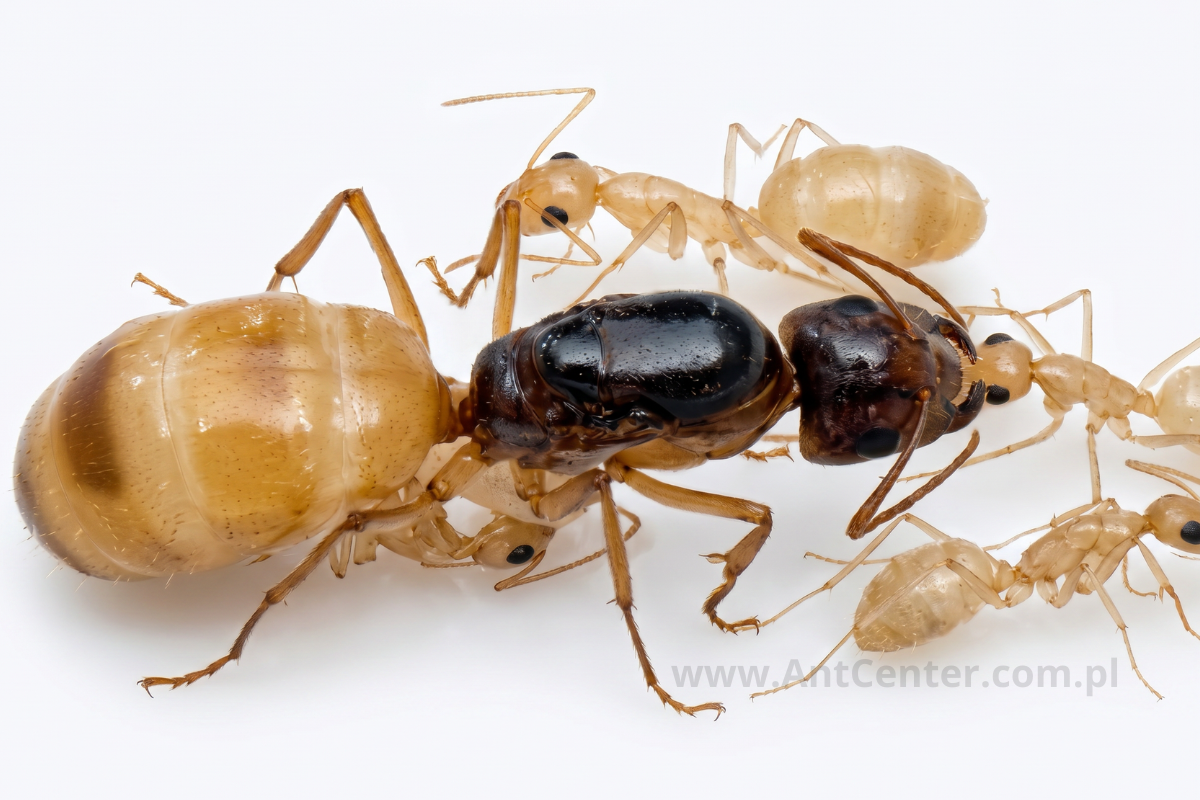
Size: queen: 12 mm, workers: 6 - 11 mm.
Colour: orange-dark brown.
Distribution: South Asia
Nutrition in nature: mainly insects.
Nutrition in var. domestic: honey, insects, e.g. mealworms, crickets, mosquitoes, etc.
Hibernate: Not required.
Temperature: 24°C - 28°C
Nesting: semi-desert sites, wood, bamboo
Difficulty: Moderately difficult.
Recommended type of formicarium (not included in this offer): Compact formicarium
Relatively large ants with a beautiful color
Camponotus Fedtschenkoi is a species of ant from the formic family. These are large ants that reach a length of about 1 cm. They have a dark honey body with white hairs on the belly and head. They can be found naturally in Asia.
Raising Camponotus Fedtschenkoi ants requires specialist knowledge and experience. It all starts with finding a queen, which is the key to breeding success. The queen is usually larger than other ants and has wings.
Once a queen has been found, they should be placed in an artificial nest that will imitate their natural habitat. The nest should be made of plastic or wood, and its size should be adapted to the size of the colony. Ants need a moist environment, so there should be adequate humidity in the nest.
Camponotus Fedtschenkoi ant farm requires regular feeding. These ants are omnivorous, but prefer sweet foods. In food, you can use honey, glucose syrup or sugar. It is important to provide ants with constant access to water.
Temperature changes and exposure to sunlight should be avoided during breeding. Camponotus Fedtschenkoi ants are a tropical species that requires constant environmental conditions.
Raising Camponotus Fedtschenkoi ants is a long-term process that requires patience and constant care. However, if carried out correctly, it can bring a lot of satisfaction and joy from watching the development of the colony.