













Ants on the Menu: Environmental and Health Benefits
Introduction
Just 7-10 years ago, typing the word “ant” into a search engine would have primarily brought up a hardware store by the same name (Polish market). Today, thanks to the dedicated efforts of AntCenter, awareness of ant farming has significantly increased 🐜. This is also due to our customers, whom we sincerely thank for their interest in this fascinating hobby.
Recently, we visited an exhibition at the science center - Park De Las Ciencias (Spain, Granada), dedicated to the history of human food production. Inspired by this visit, we decided to write a post (with a touch of humor 😉) about the benefits of eating ants and their impact on the environment.
For those interested in the exhibition, here are some links:
Foodprint of our eating habits: https://www.parqueciencias.com/contenido-temporal/foodprints-la-huella-de-los-alimentos/
Wonders of wild nature: https://www.parqueciencias.com/contenido-temporal/wow-maravillas-de-la-vida-salvaje/
Journey into the human body: https://www.parqueciencias.com/contenido-permanente/viaje-al-cuerpo-humano/
In our opinion, these are extraordinary exhibitions from an educational standpoint.
Ants in the Diet: What Can You Gain?
Ants, like other insects, are a rich source of protein, healthy fats, vitamins, and minerals. In some cultures, such as in Mexico and Thailand, ants have long been an important part of the diet. Here are a few reasons why you might consider adding ants to your menu:
Nutrient Rich:
Ants contain high concentrations of protein, essential for muscle building and overall body health. They are also a source of valuable vitamins, such as vitamin B12, and minerals like zinc and iron.
Low Production Costs:
Ant farming is much cheaper and less resource-intensive compared to traditional livestock farming. Ants require less water, food, and space, making their production more efficient.
Low Allergy Risk:
Compared to other insects, ants rarely cause allergies, making them a safe choice for most people.
Culinary Uses of Ants
Ants have a wide range of culinary applications, and their taste and texture can be surprisingly appealing. Here are some popular ways to prepare them:
Pan-Fried Ants:
One of the simplest and tastiest methods of preparing ants. Fried to a golden color, crispy ants can make a great snack or salad topping.
Chocolate-Covered Ants:
In some countries, such as Colombia, ants are covered in chocolate and sold as a delicacy. The sweet-bitter taste of chocolate pairs excellently with the delicate, nutty flavor of ants.
Ants in Salads:
Adding fried or roasted ants to a salad can give it crunchiness and a unique flavor. Ants pair well with herbs and light dressings.
Ant Guacamole:
In Mexico, ants are sometimes added to traditional guacamole, giving it an additional, slightly tangy flavor. This is an interesting alternative to the classic version of this popular dip.
Ant Sushi:
Some modern restaurants experiment with adding ants to sushi to enhance texture and flavor. Ants can be used as a topping on sushi rolls or mixed with rice.
Conclusion
Eating ants might seem like an unusual idea for us Poles, but it is a step towards a more sustainable and eco-friendly future. Incorporating insects, such as ants, into the diet can help reduce the negative impact of animal farming on the environment while providing valuable nutrients. Perhaps it’s time to open up to new culinary experiences and consider ants as a future source of protein.
Have you ever thought about trying ants? What are your thoughts on eating insects? Share your opinions in the comments!
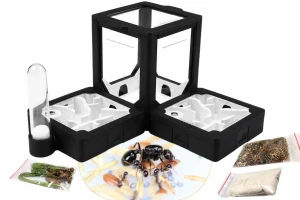
We at AntCenter love ants, and of course, we won’t be eating them ❤️🐜. Instead, we encourage you to start your adventure with these animals - you can find ready-to-go ant farming kits here.
The AntCenter Team